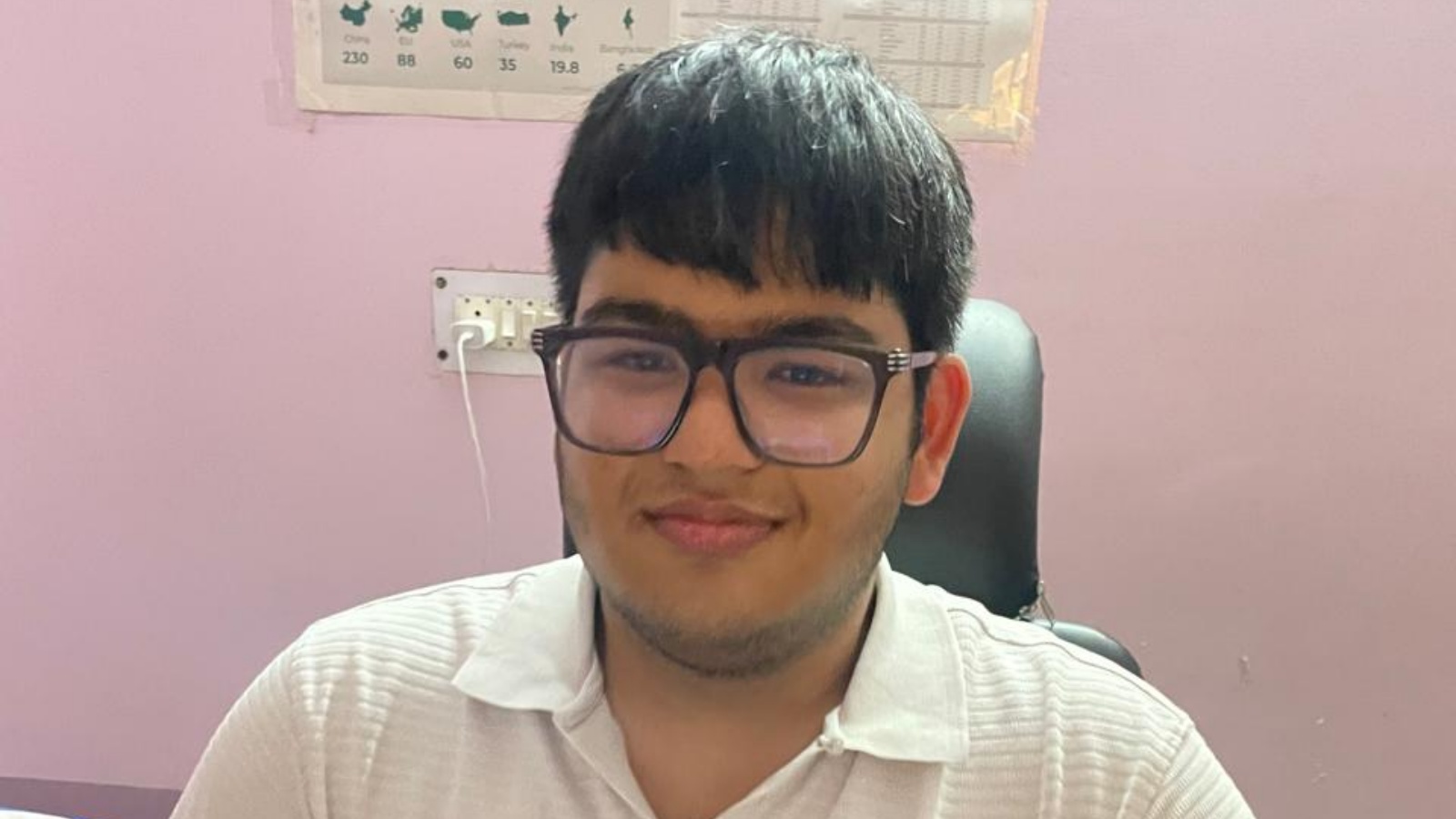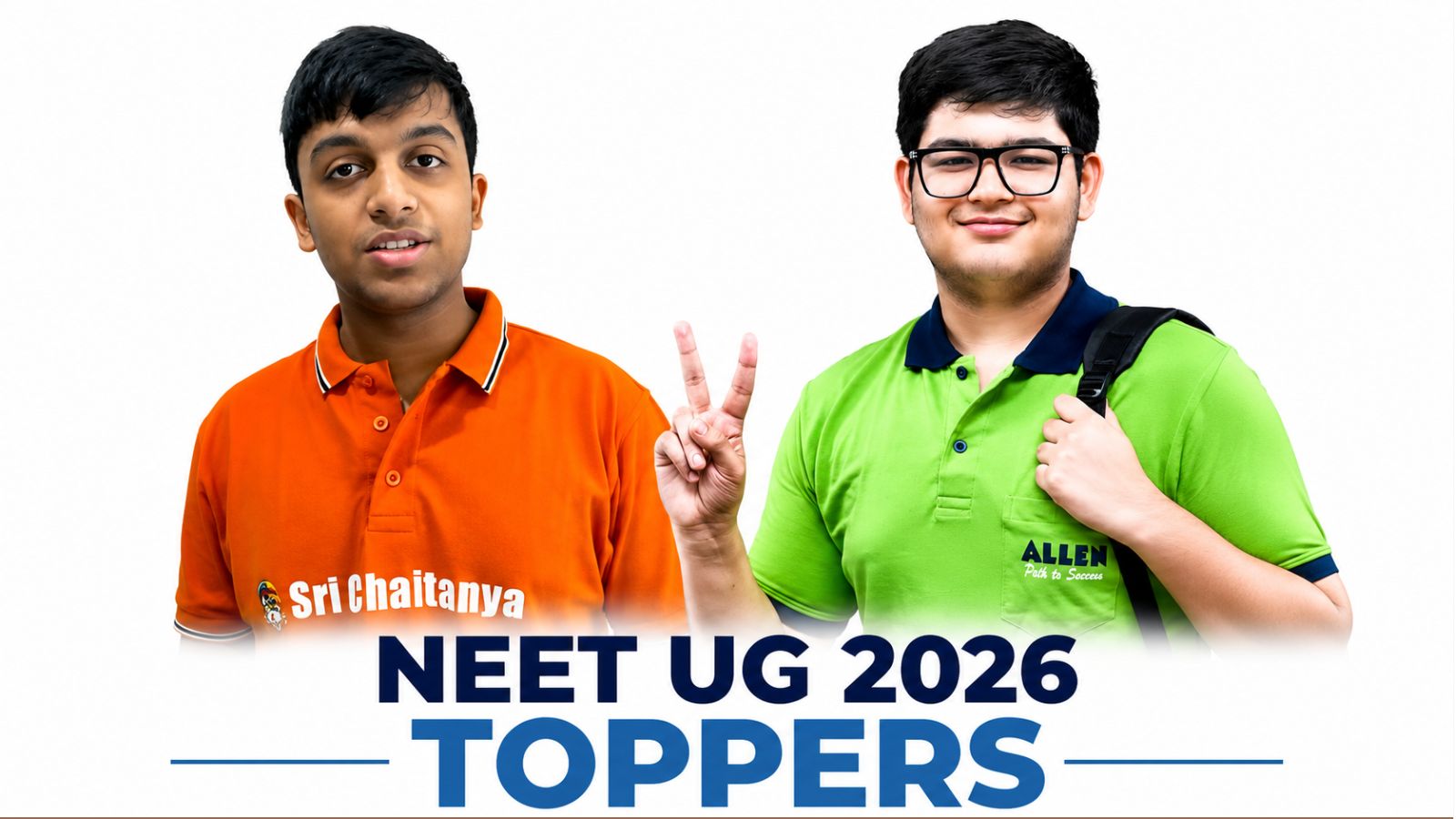
After the NEET‑UG exam was cancelled, 17‑year‑old Aryan Gupta from Ludhiana rebounded to score 715 marks, sharing the top rank with Haryana’s Panshul Bansal. Over 22 lakh candidates sat for the re‑test, underscoring the scale of the challenge.
Key Takeaways (मुख्य बिंदु)
- Aryan Gupta secured 715 marks, achieving joint AIR‑1
- NEET‑UG was cancelled, prompting a re‑test taken by 22 lakh candidates
- Panshul Bansal’s balanced preparation helped him share the top spot
NEET 2026 returned with a dramatic re‑test that reshaped India’s most competitive medical entrance exam. Ludhiana’s 17‑year‑old Aryan Gupta admits he “cried a lot” when the original May 12 exam was scrapped, but he was far from alone—over 22 lakh aspirants faced the same uncertainty.
Background: Cancellation and Re‑test
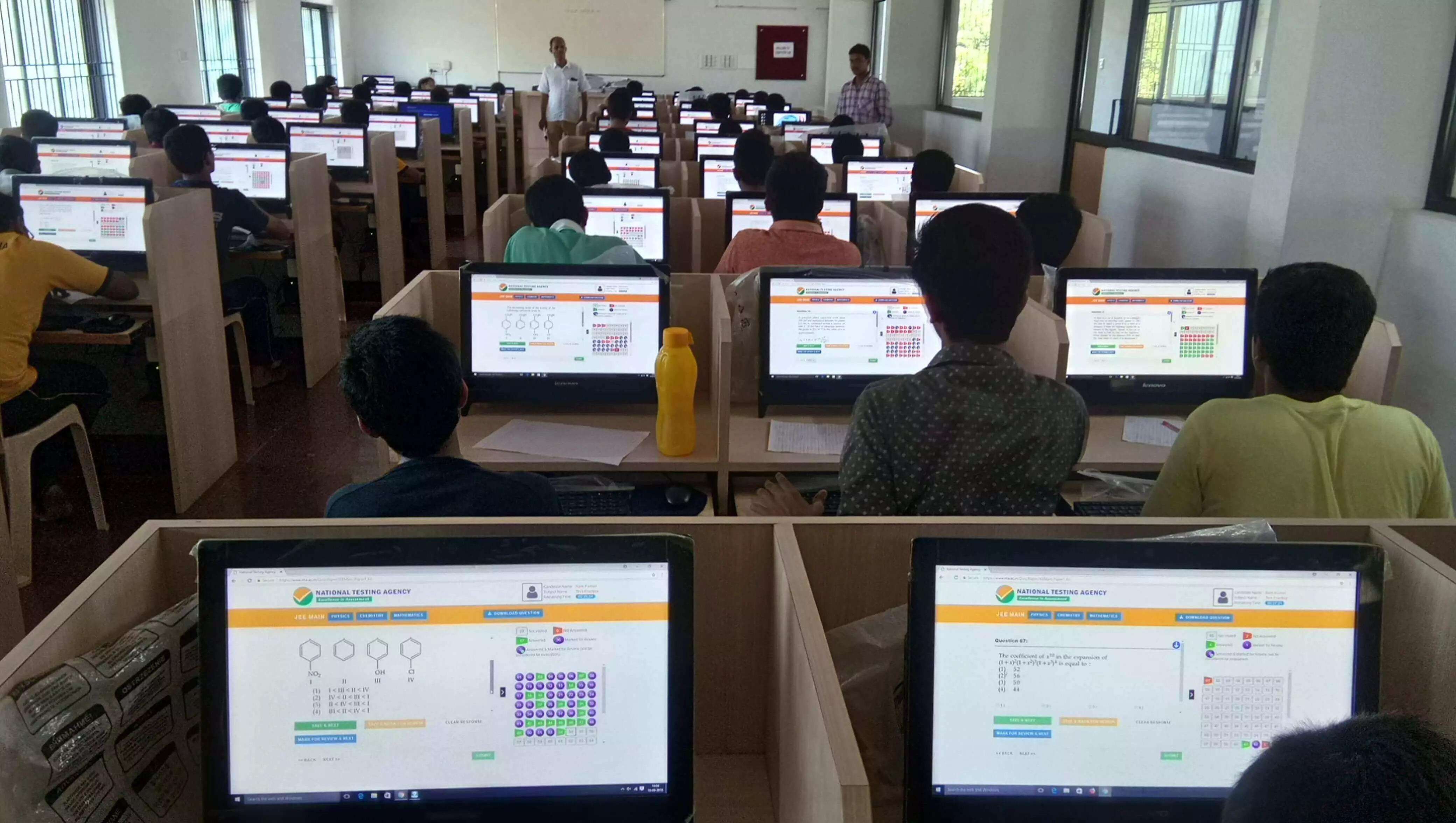
Allegations of a paper leak forced the National Testing Agency (NTA) to cancel the May 3 exam on May 12, sparking a nationwide controversy and a CBI investigation. The re‑test, conducted on June 21, attracted more than 22 lakh candidates, aiming to restore credibility to the entrance system.
Aryan Gupta’s Comeback
Scoring 715 out of 720, Aryan clinched a joint All‑India Rank‑1, surpassing the 2025 topper by 29 points. A student of Sacred Heart Convent School, he is also a state‑level table‑tennis player. With his elder brother Aditya—a fellow MBBS aspirant—providing emotional support, Aryan resumed studies within a day, rebuilding momentum in a week.
Panshul Bansal’s Balanced Approach
From Haryana, Panshul Bansal matched Aryan’s score, but his preparation narrative stands out for its equilibrium. Starting his day at 6:30 am, he blended focused study blocks with long breaks, family time, and hobbies like piano, skating, and video games. He stresses “question practice” and regular mock tests as the core of his success.
Implications for Policy and Future Aspirants
The results show 11.21 lakh candidates qualified, with women comprising over 58 % of the successful pool—a positive gender shift. The NTA also announced an addition of 9,911 MBBS seats, reflecting a policy push to expand medical education capacity.
These stories highlight that resilience, proper time management, and supportive ecosystems can turn setbacks into historic achievements, offering a roadmap for future NEET hopefuls.