Washington‑based Indian diaspora organization ‘Hindus for Human Rights’ has urged Prime Minister Narendra Modi to meet Sonam Wangchuk and student protesters over alleged NEET exam irregularities, stressing urgent medical care and a transparent, time‑bound response.
Key Takeaways (मुख्य बिंदु)
- Sonam Wangchuk has been on a hunger strike for 18 days, raising serious health concerns.
- US‑based Hindus for Human Rights demands a swift, transparent response from the Modi government on NEET irregularities.
- The group calls for immediate medical access and a credible, time‑bound accountability process.
The Indian diaspora group Hindus for Human Rights, headquartered in Washington, released an open letter on July 16 urging Prime Minister Narendra Modi to engage directly with Sonam Wangchuk and the student protesters challenging the National Eligibility cum Entrance Test (NEET). The appeal comes as Wangchuk’s 18‑day fast intensifies concerns about his health, while the broader movement highlights systemic flaws in India’s examination and admission processes.
Background of the Protest
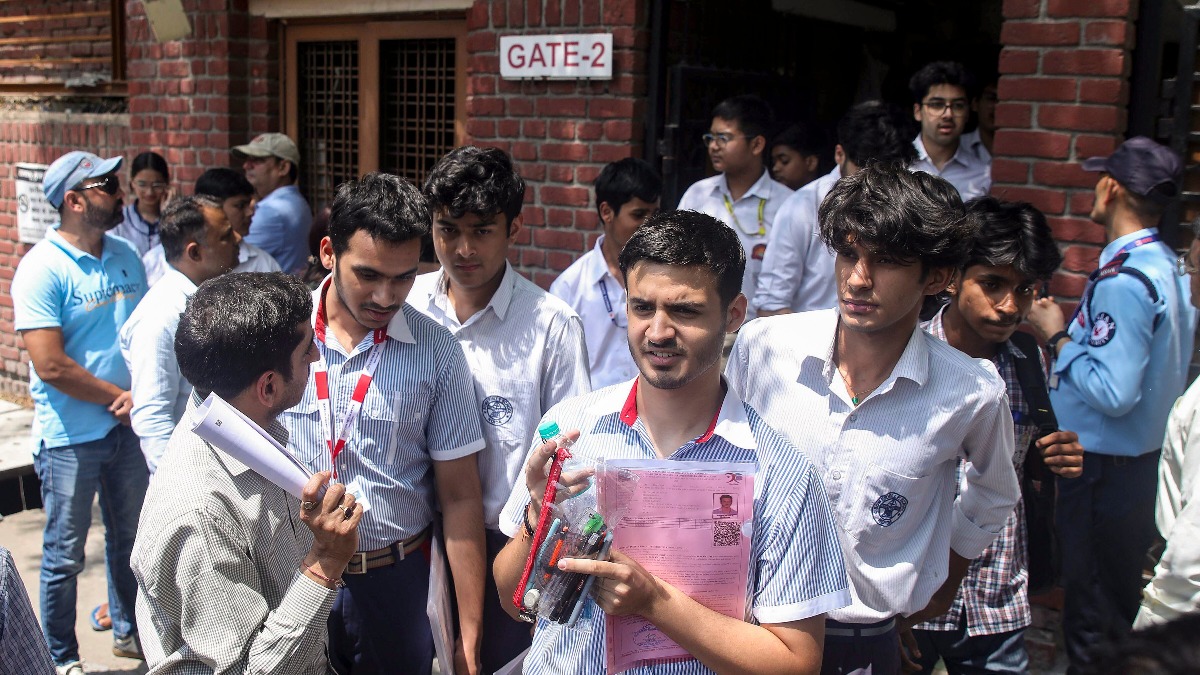
Sonam Wangchuk, a noted social activist and education reformer, initiated the hunger strike after alleging widespread irregularities in NEET—ranging from biased question‑paper setting to opaque evaluation criteria. His protest has galvanized student bodies across the country, prompting rallies, social media campaigns, and demand for institutional accountability. The movement reflects a deep‑seated frustration among aspirants who view the exam as a gatekeeper to coveted medical seats.
Demands of the US‑Based Diaspora Group
In its letter, Hindus for Human Rights outlined four core demands: (1) an immediate meeting between the government and protesters; (2) a substantive, time‑bound response addressing the identified examination failures; (3) unrestricted medical care for those on fast; and (4) establishment of an independent oversight mechanism for future examination integrity. Executive Director Sunita Viswanath warned, “Indifference can cost a life; the government must act now.”
Potential Ramifications
If the Modi administration embraces these demands, it could set a precedent for greater transparency and accountability in India’s education sector, potentially prompting reforms in exam governance, grievance redressal, and student rights. Conversely, a delayed or inadequate response may fuel larger student mobilisations, intensify public pressure, and even spill into broader political debates about governance and democratic dissent.
International Dimension
The involvement of a US‑based diaspora group underscores how Indian policy issues are increasingly scrutinised on a global stage. Such external advocacy can amplify domestic voices, compelling the government to consider international perception alongside internal stability. It also signals a growing trend: overseas Indian communities leveraging their platforms to influence policy changes at home.