The Supreme Court has ordered CBSE to submit a detailed report on measures taken to curb irregularities in the digital evaluation (OSM) system. A one‑member commission has been appointed, and urgent action is sought to address student grievances comprehensively.
मुख्य बिंदु (Key Takeaways)
- The Supreme Court instructed CBSE to provide a comprehensive report on steps taken to fix OSM system flaws.
- A one‑member commission headed by S. Radha Chauhan will investigate the issues and recommend remedial actions.
- The Centre has already removed the CBSE chairperson and secretary and launched a probe into the procurement of the OSM platform.
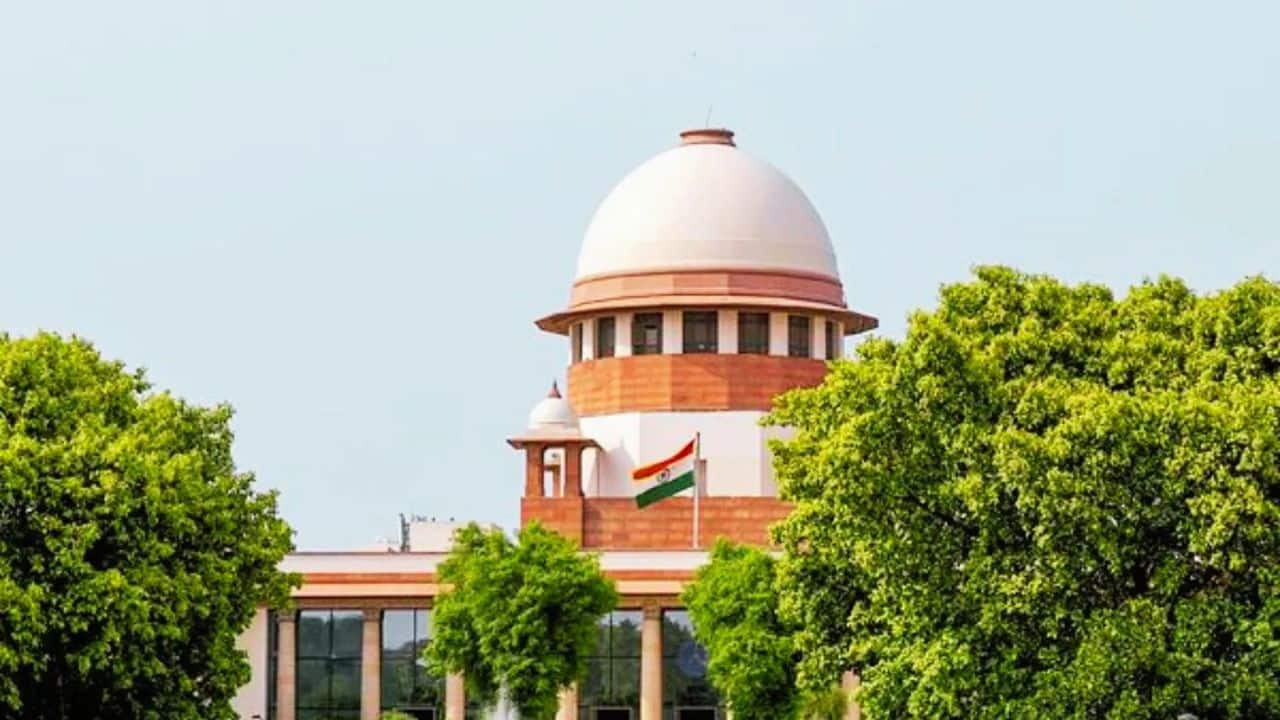
NEW DELHI – On July 16, 2026, the Supreme Court directed the Central Board of Secondary Education (CBSE) to detail every action taken so far to curb alleged irregularities in the digital evaluation (On‑Screen Marking, OSM) system. The order came after Solicitor General Tushar Mehta informed the bench that a one‑member commission has been set up to examine the matter.
Background and Scope of the Problem
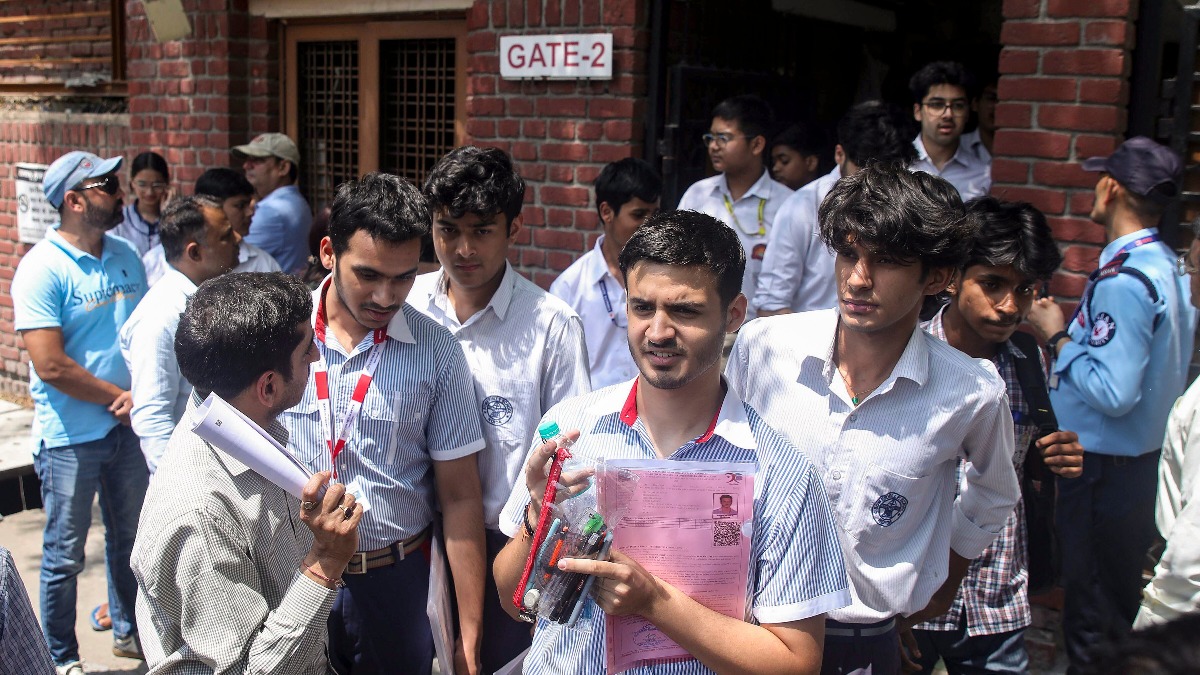
The OSM platform was rolled out nationwide in the 2023‑24 academic year with the promise of faster, transparent grading of answer sheets. Within weeks, schools across several states reported scanning failures, illegible images, and missed pages. Class‑X answer sheets, scanned for the first time under OSM, exhibited non‑scanning of certain pages, unreadable scans, and unchecked answers, creating uncertainty for students and parents alike.
Supreme Court’s Intervention
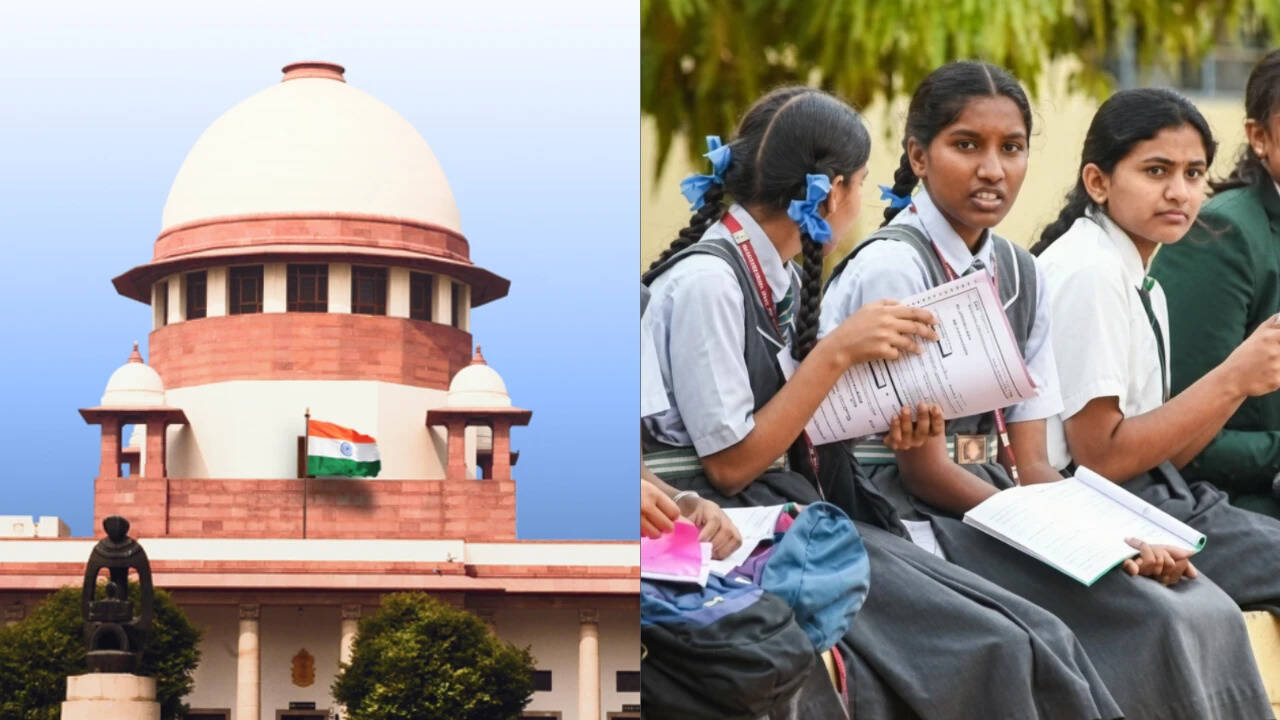
A bench comprising Chief Justice Surya Kant, Justice Joymalya Bagchi, and Justice V. Mohana labeled the issue “urgently requiring comprehensive redress.” Emphasizing the frustration caused to “young children,” the chief justice remarked, “CBSE has a right to devise an evaluation scheme, but it appears to be grappling with teething problems that must be swiftly resolved.”
Government Action and Commission’s Mandate
On June 2, 2026, the Centre removed CBSE chairman Rahul Singh and secretary Himanshu Gupta, ordering an inquiry into the procurement of the OSM system. Following this, the Solicitor General announced the appointment of a single‑member commission headed by S. Radha Chauhan, tasked with probing the glitches and recommending comprehensive remedial measures.
Implications for the Future
If the commission’s findings and the Supreme Court’s directives are implemented effectively, the digital evaluation framework could become a benchmark for transparent, technology‑driven assessment in India. Successful remediation would not only streamline examinations but also set a precedent for future online education initiatives. Continuous oversight, however, will be essential to prevent recurrence of similar technical failures.