The CBI told a Delhi court that 111 of the 136 handwritten chemistry questions recovered from Latur tutor Shivraj Motegaonkar’s phone exactly match the master question set prepared by the National Testing Agency (NTA). The leak, dated April 23, 2026, has raised serious doubts about the integrity of the exam.
Key Takeaways
- 111 of 136 questions match NTA master set
- Leak captured on April 23, 2026
- CBI has made 13 arrests so far
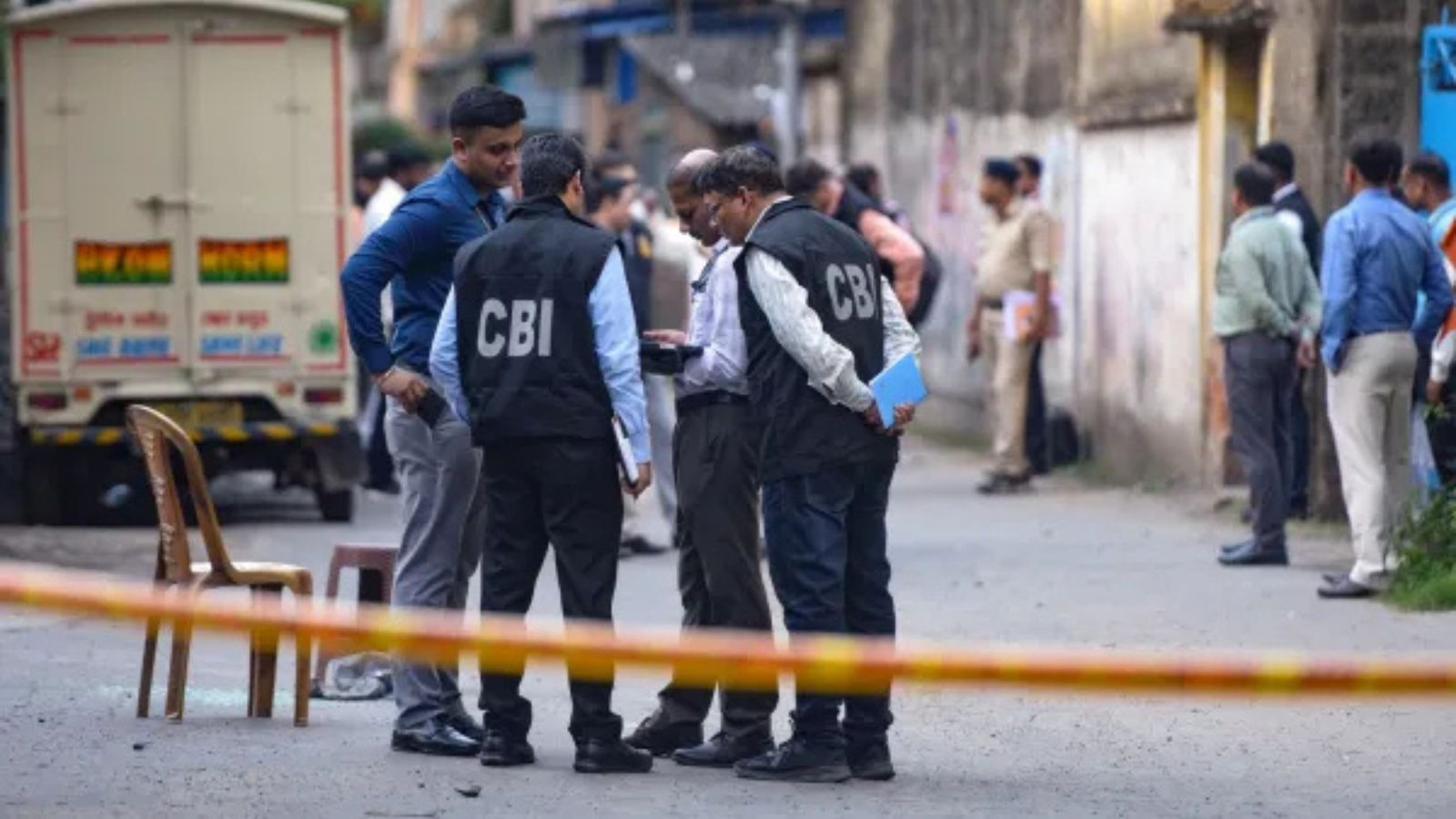
New Delhi – The Central Bureau of Investigation (CBI) submitted to a Delhi court that out of 136 handwritten chemistry questions recovered from the mobile phone of Shivraj Motegaonkar – owner of Renukai Chemistry Classes in Latur and the YouTube channel Motegaonkar Sir’s RCC – 111 questions are identical to those in the National Testing Agency’s (NTA) master question set.
Background of the Case
NEET‑UG 2026 was scheduled for May 3, but the question paper was compromised two weeks earlier. According to the CBI, the questions were captured on April 23 at the premises of Siddhivinayak Hospital in Latur, run by pediatrician Manoj Shirure. One of the co‑accused, P. V. Kulkarni – an NTA panel member and translator – is alleged to have facilitated the leak.
Method of Leak and Distribution
Investigators found that the leaked set was being sold on Telegram for ₹10 lakh. Additionally, a “guess paper” of 150 pages containing 410 questions was circulated to aspirants weeks before the exam; roughly 120 of those questions appeared in the actual chemistry paper.
Law Enforcement Action and Impact
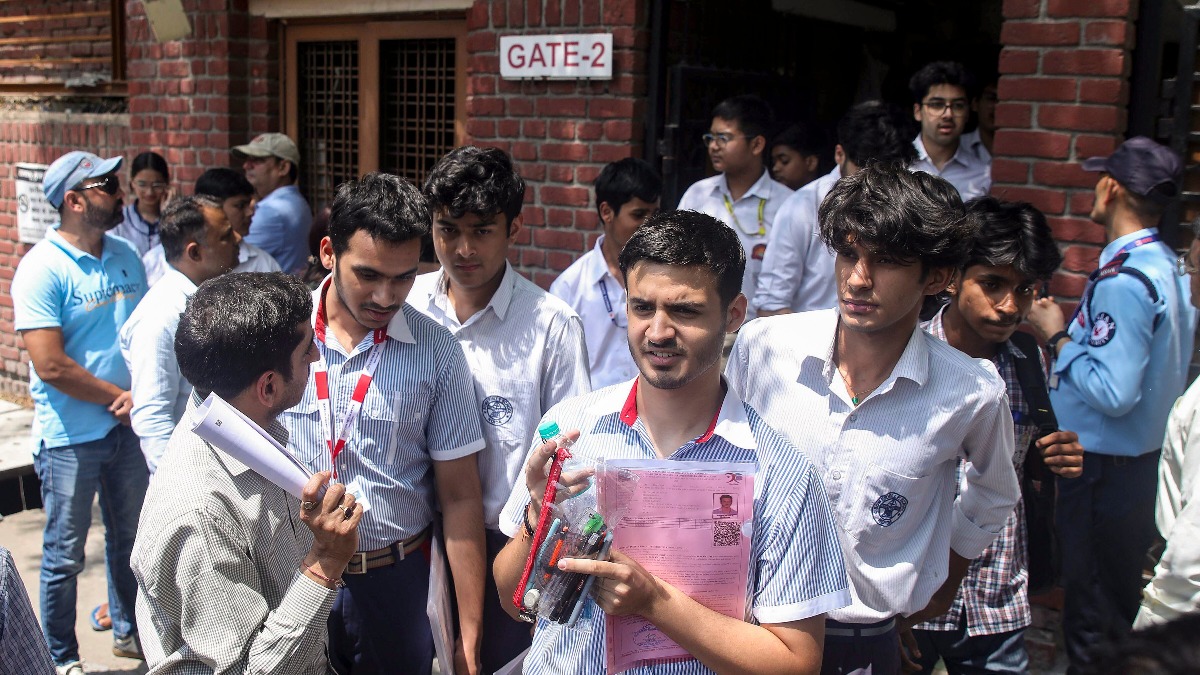
To date, the investigation has led to 13 arrests across Delhi, Jaipur, Gurgaon, Nashik, Pune, Latur and Ahilyanagar, involving teachers and students alike. The leak forced the NTA to cancel the exam on May 12, after more than 22.7 million candidates had already sat for it on May 3, shaking confidence in the assessment process.
Future Safeguards
The CBI emphasized the need for stronger safeguards, including encrypted digital question banks, tighter monitoring of exam centers, and rigorous vetting of internal personnel. Experts argue that a multi‑layered security protocol is essential to protect the credibility of India’s high‑stakes entrance examinations.