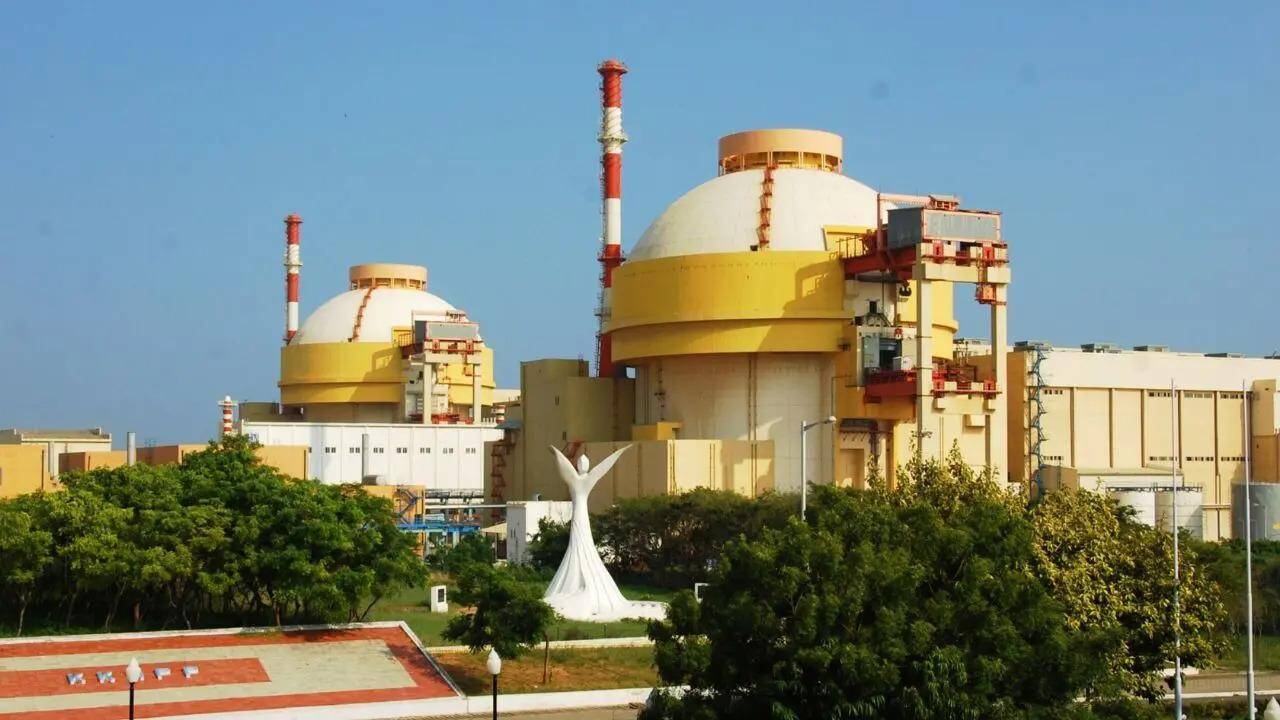
A ransomware attack on a contractor for the Kudankulam project exposed sensitive design files, though the reactor’s operational network remained untouched. India's fragmented breach‑disclosure regime and lax cyber‑hygiene demand urgent reform.
Key Takeaways (मुख्य बिंदु)
- Ransomware compromised contractor data, but reactor operations stayed secure
- 14.3 GB of files leaked, including ventilation layouts and alleged control‑room plans
- India’s inconsistent breach‑disclosure policy hampers transparency
The July 2026 report revealed that a ransomware group calling itself ‘World Leaks’ targeted Reliance Infrastructure, a key contractor for Units 3 and 4 of the Kudankulam Nuclear Power Project. Approximately 14.3 GB of data—including ventilation system schematics, floor plans of a purported control room, supplier lists, and insurance documents—were posted online. NPCIL clarified that the leaked materials pertain only to infrastructure outside the nuclear island, meaning the core reactor network was not compromised.
Background and Prior Incidents
In 2019, malware was detected on the same facility’s administrative network, prompting NPCIL to assure that the operational reactor network remained unaffected. The recurrence underscores a pattern: administrative and contractor networks are repeatedly exposed, while the critical control systems enjoy tighter protection. India’s breach‑disclosure framework is notoriously opaque; many organizations fear that admitting a breach will erode public confidence, depress share prices, and invite regulator scrutiny, leading them to soften public statements and delay disclosures.
Strategic Value of the Leaked Data
Even if the documents do not directly reveal reactor internals, they provide valuable intelligence for adversaries. Detailed ventilation layouts and control‑room designs can aid “intelligence preparation of the battlefield,” enabling both cyber and physical attack planning. Consequently, the leak transcends a simple data‑theft incident and becomes a potential national‑security concern.
Government Response and Way Forward
Following widespread media coverage, CERT‑In launched an investigation and has requested comprehensive findings from Reliance Infrastructure and Yotta Data Services. Experts urge NPCIL to verify the authenticity of the files, confirm whether any data was exfiltrated before detection, and disclose whether supplier credentials were exposed. While full radical transparency may be impractical, basic cyber‑hygiene and proactive communication are non‑negotiable pillars of a resilient critical‑infrastructure strategy.
Conclusion
The Kudankulam episode spotlights lingering cybersecurity gaps in India’s ambitious nuclear expansion. As the plant is positioned as the cornerstone of the nation’s clean‑energy future, fragmented breach‑disclosure practices and under‑developed incident‑response capabilities amplify risk. Immediate steps—standardised reporting, hardened contractor networks, and continuous monitoring—are essential to safeguard both the plant and the broader national interest.