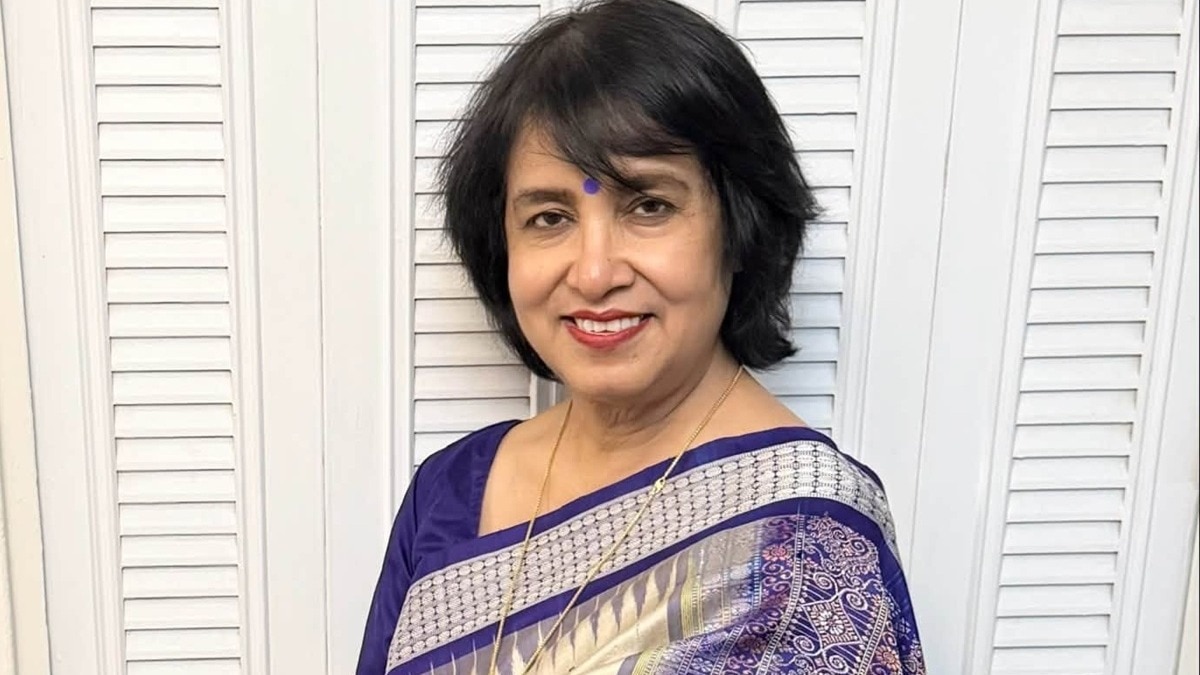
Bangladeshi writer Taslima Nasrin is set to return to Kolkata after two decades, joining an anti‑radical programme on August 1. Her visit follows the rise of a BJP‑led government in West Bengal, sparking fresh debates on literary freedom, secularism and security.
मुख्य बिंदु (Key Takeaways)
- Taslima Nasrin returns to Kolkata after 20 years
- Programme at Ravindra Sadan scheduled for August 1
- Political shift in West Bengal creates new security dynamics
Introduction
Bangladeshi author Taslima Nasrin announced on social media that she will land in Kolkata on 1 August 2026, marking her first visit since the 2007 Left Front government’s intense protests that forced her to leave the city.
Background and Exile
Nasrin fled Bangladesh in 1994 after her controversial novel Lajja provoked fatwas from Islamist hard‑liners, who threatened her life. She sought asylum in Sweden and has since lived in exile, with many of her books banned in Bangladesh while she is celebrated abroad as a symbol of free expression.
Political Change in West Bengal
The recent formation of a BJP‑led government in West Bengal has altered the state’s security and cultural landscape. The new administration’s emphasis on secular and anti‑radical initiatives opened the door for a programme at the historic Ravindra Sadan, co‑hosted by the Secular Mission and HRBFF, to honour Nasrin’s lifelong fight for freedom of speech.
Programme Details
The event will feature poets, writers and intellectuals, aiming to celebrate Nasrin’s decades‑long stance against religious extremism. Nasrin described the upcoming trip as “the end of a long wait,” prompting a wave of support across social platforms.
Potential Impact and Challenges
Nasrin’s return is more than a literary milestone; it is a litmus test for West Bengal’s commitment to secularism. A peaceful, well‑secured programme could reinforce the state’s image as a haven for free thought. Conversely, any security lapses or protests could expose vulnerabilities in the new government’s ability to protect dissenting voices.
Looking Ahead
The response of Kolkata’s cultural community, law‑enforcement agencies and political actors will determine whether this event becomes a catalyst for broader secular dialogue in the region. Successful execution may also rejuvenate cultural ties between India and Bangladesh, highlighting the power of literature to bridge geopolitical divides.