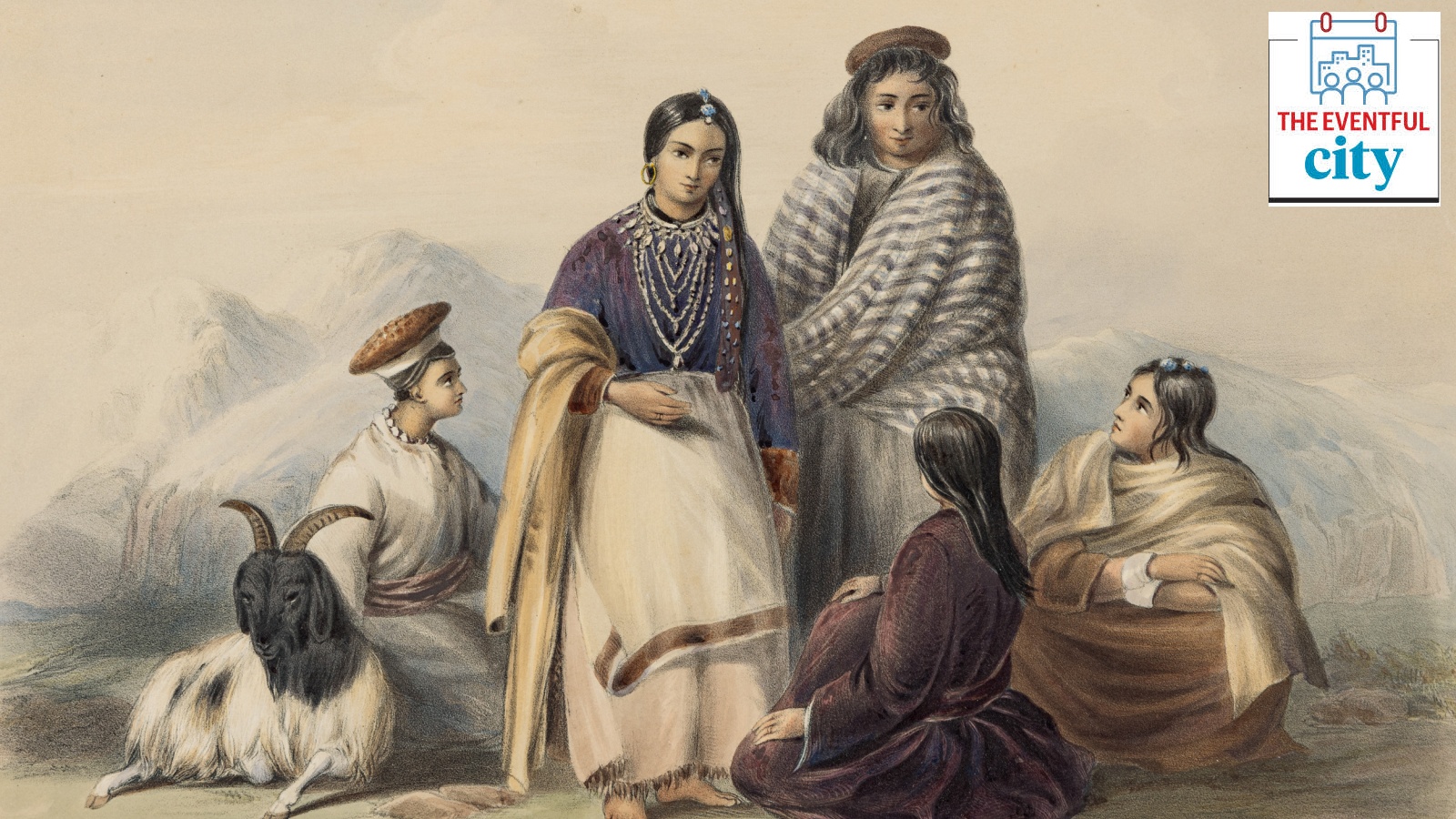
Emily Eden, a trusted correspondent of Queen Victoria and sister of a Governor‑General of India, is being showcased in Delhi with nearly 30 hand‑coloured lithographs. The exhibition reveals the Indian princes, soldiers and everyday people she captured during her 1830s travels.
Key Takeaways
- Over 30 hand‑coloured lithographs by Emily Eden now exhibited in Delhi
- Historic significance of a pioneering 19th‑century British woman artist
- Works feature scenes from Calcutta, Lahore, Punjab and Kabul
Exhibition Overview
The exhibition “Princes & People of India: Portraits by Emily Eden” opened at the Dr. A.G. Kala (DAG) Gallery in New Delhi on 15 July 2026 and will run until 1 August. Showcasing almost 30 hand‑coloured lithographs alongside the Eden family archives, it shines a light on a uniquely female perspective within the British imperial art world.
Who Was Emily Eden?
Emily Eden (1797‑1841) served as a personal correspondent for Queen Victoria and was the sister of George Eden, 1st Earl of Auckland, Governor‑General of India from 1836‑1842. In 1837 she embarked on a 1,700‑mile journey with her brother and sister‑in‑law Fanny, travelling from Calcutta—then the capital of British India—to Lahore. Throughout the trek she sketched Indian royalty, soldiers and ordinary servants, creating a visual diary that remains exceedingly rare.
Cities and Portraits Captured
Her lithographs portray vivid scenes from Calcutta, Lahore, Punjab, Simla and Kabul. In Calcutta she rendered a young Hindu College student in elaborate jewellery and a towering turban, symbolising the city’s early‑19th‑century prosperity. In Punjab she produced a nuanced portrait of Maharaja Ranjit Singh near the end of his reign, which curators describe as “a blend of simplicity, frailty and authority.” Other works include the Raja of Patiala on his state elephant, a prince from Simla, and even “Thibet Tartars”—traders from Tibet.
Why Delhi Was Omitted
Despite spending nearly a week in the city, Eden dismissed Delhi as “nothing to see but gigantic ruins of mosques and palaces,” labeling it a “ghost town.” Her contemporary male artists—Thomas Daniell, William Hodges and others—focused mainly on picturesque landscapes, relegating people to the background. Eden, by contrast, placed individuals at the centre, making her perspective singularly valuable.
Significance of the Delhi Showcase
Curator Mary Ann Prior notes that Eden is “likely one of the first British women artists whose works you’re seeing.” The exhibition not only revives a hidden chapter of colonial art but also challenges historic gender norms by highlighting a woman who had unprecedented access to Indian royalty. Its presence in Delhi re‑ignites India‑Europe artistic dialogue and underscores the continued relevance of revisiting colonial narratives through fresh lenses.