The United States will levy a 25% tariff on roughly 18% of Brazil's exports worth about $7 billion, deepening trade tensions. Brazil denounces the move as unilateral and unjustified while preparing industry support and keeping diplomatic channels open.
Key Takeaways
- US imposes 25% tariffs on 18% of Brazil's exports.
- The tariffs affect goods valued at approximately $7 billion.
- Brazil announces support measures for affected sectors and remains open to talks.
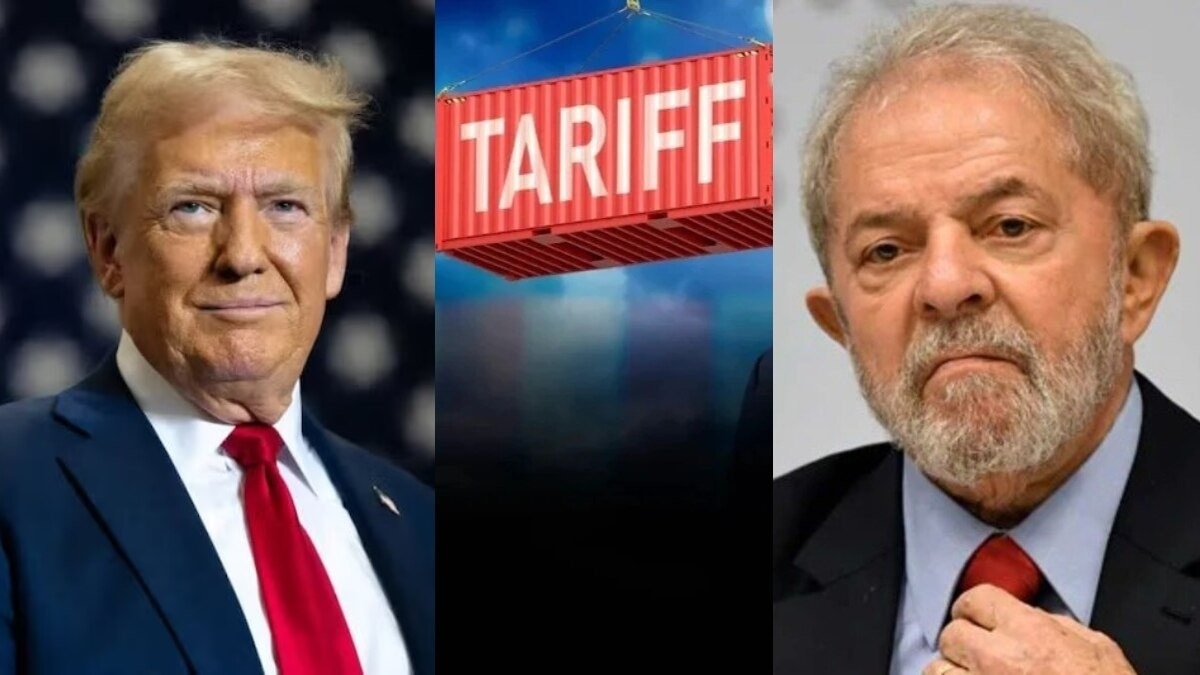
The United States announced that, effective July 22, a 25% additional tariff will be applied to about 18% of Brazil’s exports, amounting to roughly $7 billion. The decision intensifies an already strained trade relationship, prompting Brazil to roll out assistance programs for the most vulnerable industries.
Background and Rationale
The move follows a year‑long investigation by the Office of the US Trade Representative (USTR), which concluded that Brazil engaged in "unfair trade practices" such as weak anti‑corruption enforcement, self‑imposed discriminatory duties, and other unreasonable measures. While the new duties target a broad range of products, the USTR exempted several critical items—coffee, beef, oranges, certain oil and gas products, and aerospace components—to avoid disrupting essential supply chains.
Brazil’s Diplomatic Response
Foreign Minister Mauro Vieira blasted the tariffs as unilateral and unjustified, labeling the United States’ action as a breach of fair‑trade principles. He also rebuked U.S. Secretary of State Marco Rubio’s remarks accusing Brazil of negotiating in bad faith, calling the comments "unacceptable." Vieira questioned the reliance on Section 301 of the 1974 US Trade Act, which grants Washington the authority to impose such measures.
Economic Impact and Mitigation Plans
Trade Minister Marcos Fernando Elias Rosa warned that the timber, machinery, furniture, and footwear sectors will bear the brunt of the tariffs. To cushion the impact, Brazil plans financial aid, export subsidies, and cost‑reduction initiatives for the affected industries. Rosa also indicated that Brazil expects the United States to release findings from a separate probe concerning alleged forced‑labour practices involving multiple countries.
Outlook and Future Negotiations
While the tariffs mark a further deterioration in US‑Brazil trade ties, both governments have signaled a willingness to continue dialogue. If Brazil’s support measures succeed, they could mitigate short‑term pain and preserve longer‑term competitiveness, keeping the door open for future trade agreements that balance market access with regulatory standards.