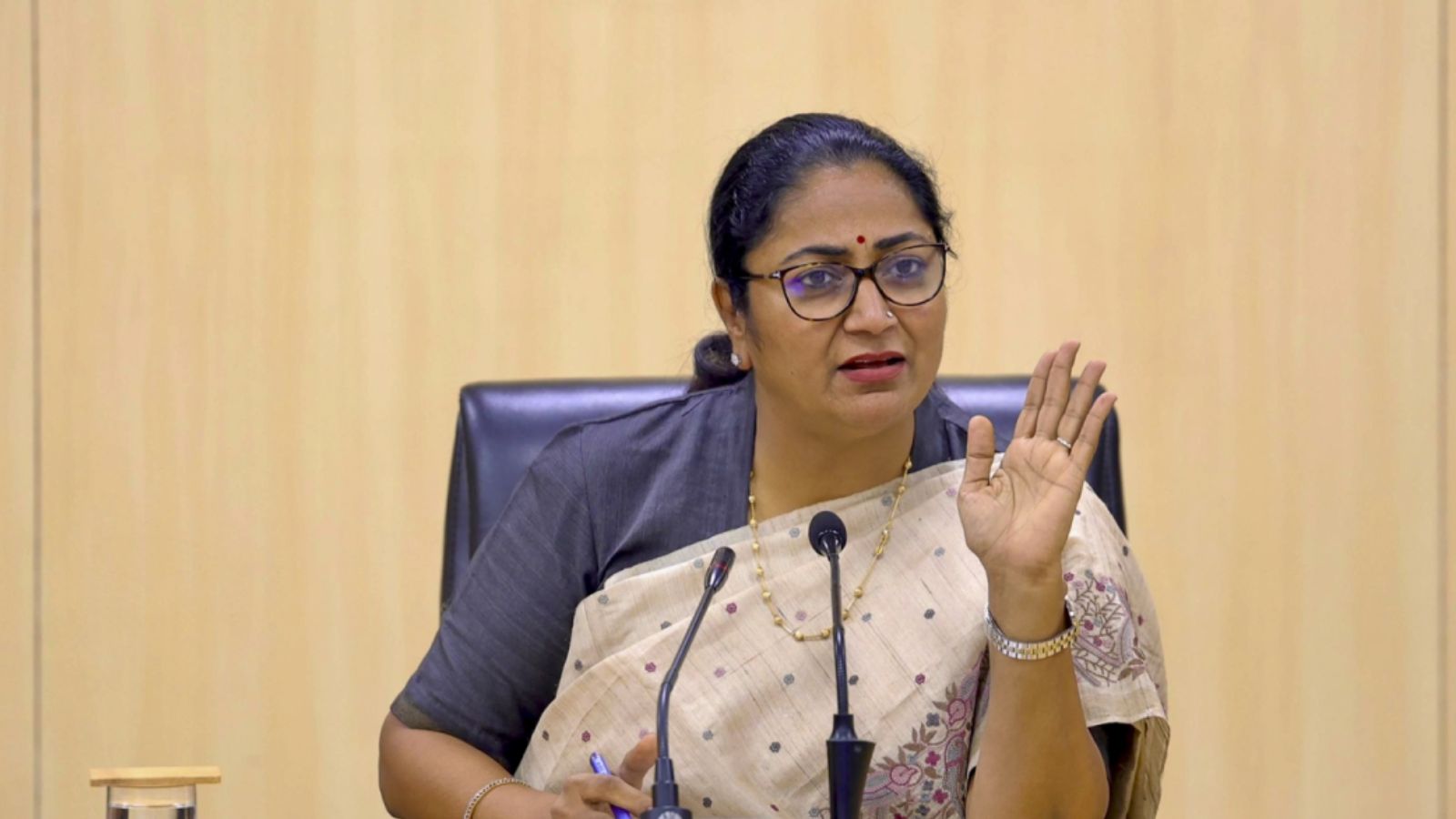
Uganda, through High Commissioner Joyce Kakuramatsi Kikanfunda, has opened its doors to overseas firms with full ownership rights and zero customs duties on unavailable raw materials. Rich in iron ore and cotton, the nation aims to host new steel plants and spinning mills.
Key Takeaways
- Uganda permits 100% foreign ownership of projects.
- Zero import duty on raw materials not found locally.
- Abundant iron ore, cotton, cocoa, avocado and coffee create attractive investment opportunities.
At the United Economic Summit 2026 in Coimbatore, Uganda’s High Commissioner to India Joyce Kakuramatsi Kikanfunda announced a suite of incentives designed to lure foreign manufacturers. With substantial deposits of iron ore and vast cotton farms, the East African nation is positioning itself as a hub for steel production and textile spinning.
Key Incentives for Investors
Foreign companies can now hold 100% ownership of Ugandan projects, granting them full control over profits and strategic decisions. Moreover, any raw material that Uganda cannot produce domestically will be imported duty‑free, dramatically lowering production costs. This arrangement is especially advantageous for value‑added sectors such as fruit processing, cocoa refinement, and coffee grinding.
Economic Context
Currently, Uganda exports agricultural produce, gold, and raw minerals to India while importing textiles, machinery, automobiles, pharmaceuticals, and iron‑steel products. By encouraging the export of processed raw materials, the government hopes to reverse this trade imbalance. The country also commenced oil and gas production this month, adding another layer of energy security to its industrial strategy.
Future Prospects
Uganda ranks as the eighth largest coffee producer worldwide and the largest coffee exporter in Africa. It also cultivates avocados, cocoa, and other high‑value crops, making fruit‑processing projects particularly bankable for overseas investors. Analysts predict that early investment in these sectors will generate significant employment and boost export‑driven revenue.
In essence, Uganda’s open‑door policy—combining full foreign ownership with zero import duties—offers a compelling value proposition for manufacturers seeking cost‑effective expansion in Africa. If executed well, it could transform the country’s industrial landscape and deepen its economic ties with India and beyond.