India aims for 100% ethanol blending to achieve energy security, necessitating a shift toward flex-fuel engines and second-generation ethanol production.
Key Takeaways
- Achieving 100% ethanol blending requires specialized flex-fuel engines capable of handling high ethanol concentrations.
- Transitioning from sugarcane-based to second-generation (2G) ethanol is vital to prevent water scarcity and food security issues.
- The implementation of CAFE III standards in 2027 will push manufacturers toward lower-emission technologies.
- While ethanol reduces carbon monoxide, its lower energy density compared to petrol affects mileage.
As India aggressively pursues energy independence, the roadmap toward 100% ethanol blending has taken center stage. Union Minister Nitin Gadkari has advocated for this transition to reduce reliance on fossil fuels and decarbonize the transport sector. However, moving from the current E20 standard to E100 is a complex technological and logistical undertaking.
The Technical Hurdle: Flex-Fuel Technology
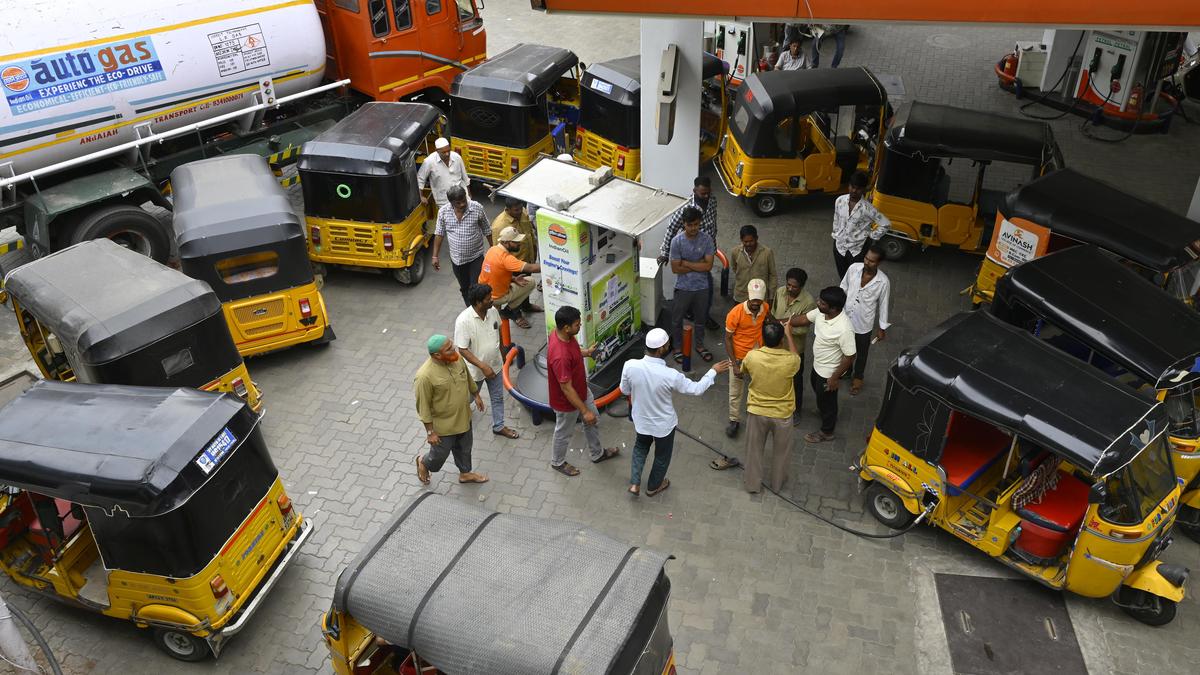
A significant barrier to 100% blending is the current vehicle fleet. Most existing internal combustion engines are designed for petrol or low-blend ethanol (up to E20). To utilize E85 or E100 blends, vehicles must be equipped with flex-fuel engines. These engines require specialized corrosion-resistant fuel systems, advanced sensors, and sophisticated Engine Control Units (ECUs).
While Toyota has already introduced flex-fuel variants in India, mass-market adoption by giants like Maruti Suzuki and Hyundai is expected in the FY26–FY28 window. This transition will necessitate a massive overhaul of the domestic automotive supply chain under the 'Make in India' initiative.
Sustainability: From Sugarcane to 2G Ethanol
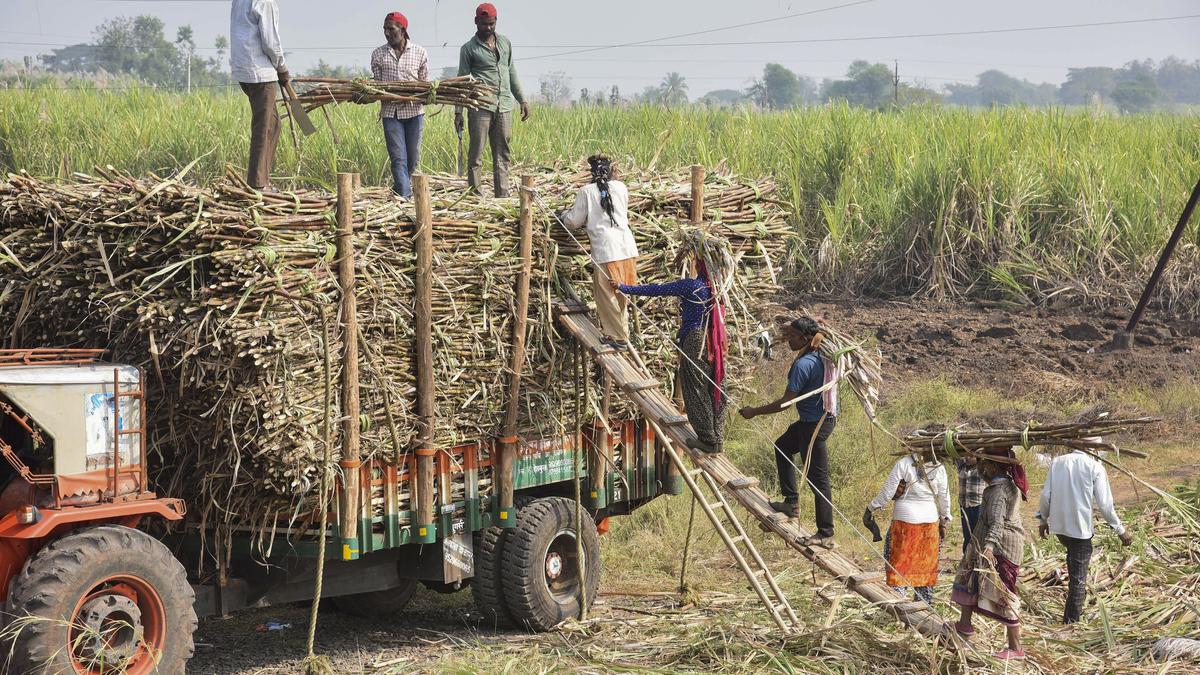
The current reliance on sugarcane as a primary feedstock poses environmental risks, particularly regarding water consumption in stressed regions like Maharashtra. To mitigate this, the Indian government is pivoting toward second-generation (2G) ethanol. Produced from agricultural residues like rice straw, 2G ethanol offers a dual benefit: it provides a sustainable fuel source and offers a solution to the perennial problem of crop residue burning in North India.
Regulatory Drivers: CAFE III Standards
The regulatory landscape is also evolving. The upcoming CAFE III (Corporate Average Fuel Efficiency) standards, set to kick in on April 1, 2027, will impose much stricter CO2 emission limits on manufacturers. This regulatory pressure is expected to accelerate the adoption of biofuels and more efficient engine technologies, helping India move closer to its goal of a circular, green economy.