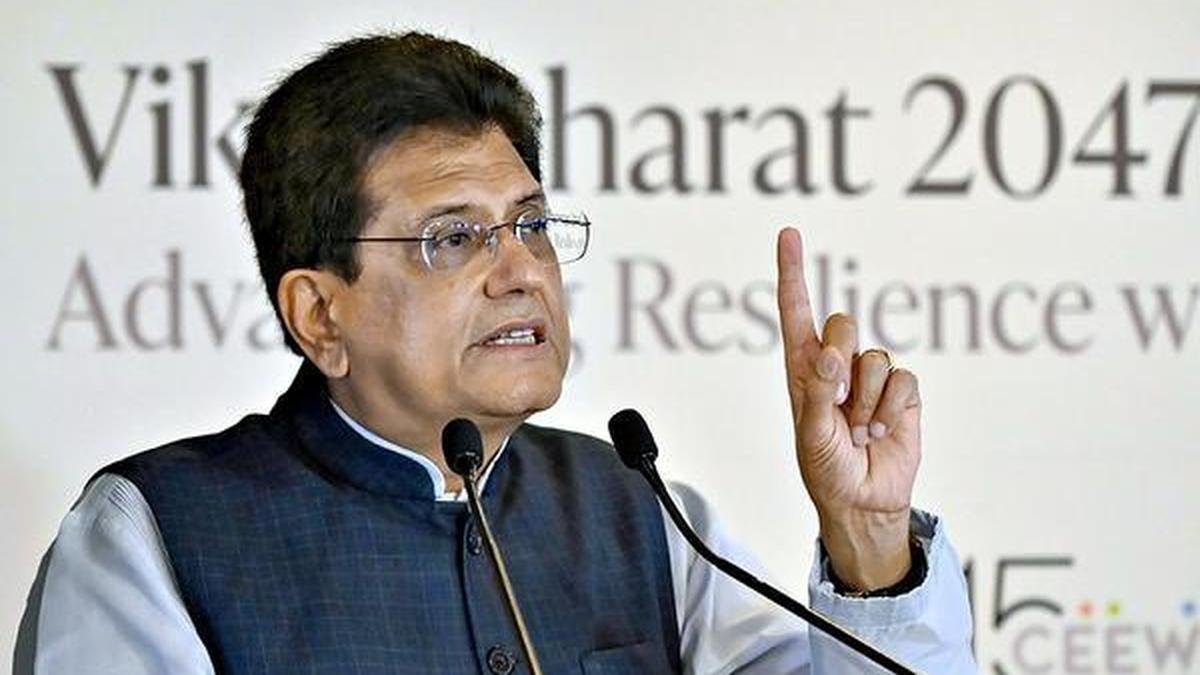
Commerce Minister Piyush Goyal leads a massive drive to optimize Free Trade Agreements, aiming to propel India's total exports to the $2 trillion milestone.
Key Takeaways
- The Indian government is crafting a dedicated plan to boost the utilization of existing Free Trade Agreements (FTAs).
- Targeting a combined $2 trillion in goods and services exports in the coming years.
- Key sectors like textiles, gems, jewelry, and pharma are set to gain significant duty-free advantages.
- Indian missions abroad will play a critical role in navigating non-tariff barriers and market intelligence.
In a decisive move to bolster India's position in the global trade landscape, the Union Government is actively formulating a comprehensive FTA utilization plan. Union Minister for Commerce and Industry, Piyush Goyal, has been conducting high-level consultations with industry associations, major businesses, and Export Promotion Councils (EPCs) to streamline how Indian enterprises leverage these international pacts to maximize profitability and market share.
The Scale of Global Integration
Since 2021, India has aggressively expanded its trade footprint through agreements with nations including Australia, the UAE, New Zealand, and the EFTA, among others. These strategic pacts provide access to markets across 38 countries, representing a massive global import pool of approximately $12 trillion. By securing duty-free access, sectors such as agriculture, textiles, engineering, electronics, and pharmaceuticals are poised for a significant competitive advantage in international markets.
Driving Towards a $2 Trillion Export Goal
The roadmap is clear: the government aims to scale total exports—combining both goods and services—to a staggering $2 trillion. This ambition follows a strong performance in the 2025-26 fiscal year, where total exports hit a record $863.11 billion, a 4.6% increase despite a volatile global economic climate. Notably, services exports showed remarkable resilience, surging by 8.71% to reach $421.32 billion.
Overcoming Non-Tariff Barriers
A critical component of the new strategy involves addressing Sanitary and Phytosanitary (SPS) measures. The Ministry of Commerce is working on a roadmap to ensure Indian agricultural and fishery products meet stringent global standards. To facilitate this, Indian diplomatic missions abroad have been tasked with providing real-time market intelligence, raising awareness about FTA benefits in importing nations, and expediting the resolution of complex non-tariff barriers that often hinder trade.
Expert Perspective: Exporting Smarter, Not Just More
Industry experts, including former WTO Director Shishir Priyadarshi, emphasize that the true value of FTAs lies beyond simple tariff reductions. To truly succeed, Indian businesses must integrate into Global Value Chains (GVCs) and diversify their supply chains. The focus must shift toward 'smart exporting'—prioritizing branded products, advanced manufacturing, and high-value services to ensure long-term industrial competitiveness on the world stage.