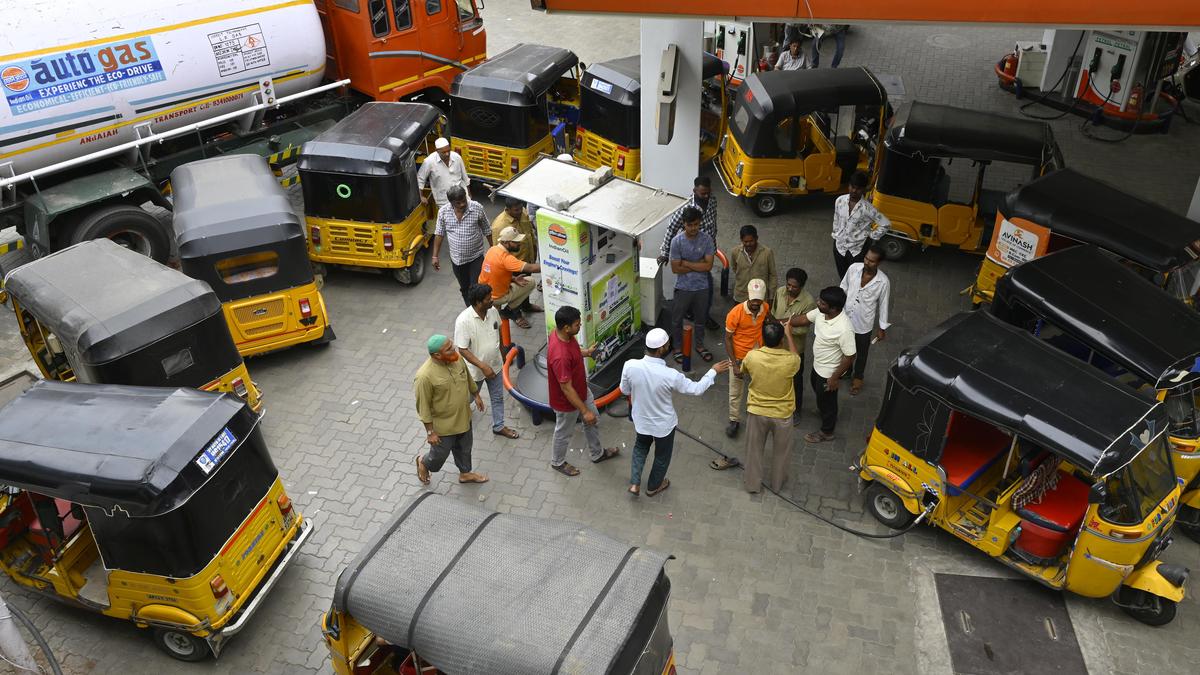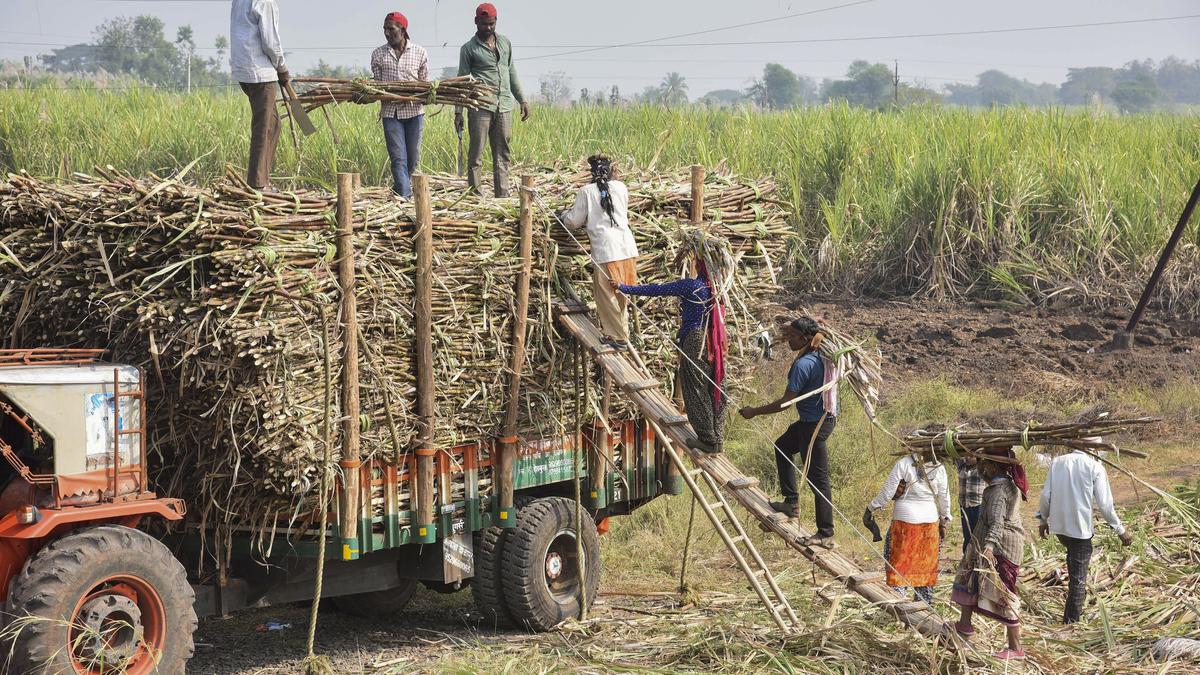
India achieves its E20 blending target five years ahead of schedule, sparking debates over sugarcane dependency and the slow pace of EV adoption.
Key Takeaways
- India achieved the 20% ethanol blending (E20) target by 2025, five years ahead of schedule.
- Ethanol blending surged from 1.5% in 2014 to 20% in 2025.
- The move aims to reduce oil import bills and boost sugarcane farmers' incomes.
- Concerns remain regarding water usage in sugarcane farming and slow EV transition.
In a significant move towards energy self-reliance, India has successfully implemented the E20 mandate, blending 20% ethanol with petrol. This achievement, coming five years ahead of the timeline set under the National Policy on Biofuels, marks a paradigm shift in the country's fuel landscape. Since 2014, when blending stood at a mere 1.5%, the rapid ascent to 20% reflects the government's aggressive fiscal incentives and strategic focus on the biofuel sector.
Economic Drivers and the Agrarian Impact
The primary driver behind this rapid transition has been the integration of the sugar industry into the energy value chain. By incentivizing oil refiners to blend ethanol, the government has created a massive secondary market for sugarcane farmers. This has not only stabilized sugar prices but also provided a crucial liquidity boost to the rural economy. Furthermore, by reducing the volume of crude oil imports, India is strategically insulating its economy from the volatility of global oil markets, potentially saving billions in foreign exchange.
The Sustainability Paradox
However, the 'green' credentials of this transition are under intense scrutiny. While ethanol reduces direct tailpipe carbon emissions, the environmental footprint of sugarcane cultivation is substantial. Sugarcane is a water-intensive crop, and in a nation facing increasing water scarcity, the heavy reliance on it for fuel production raises critical questions about long-term ecological sustainability. Experts warn that a monoculture-driven fuel policy could lead to unintended consequences for soil health and groundwater levels.
The EV Lag and the Road Ahead
The success of ethanol blending also highlights a curious trend in India's automotive landscape: the relatively slow adoption of Electric Vehicles (EVs) compared to other major global economies. While the world moves toward total electrification, India's current strategy seems to be a pragmatic, albeit controversial, bridge using biofuels to clean up existing internal combustion engine (ICE) fleets. The challenge for policymakers will be to ensure that the ethanol surge does not become a deterrent to the eventual, necessary shift toward full electrification.