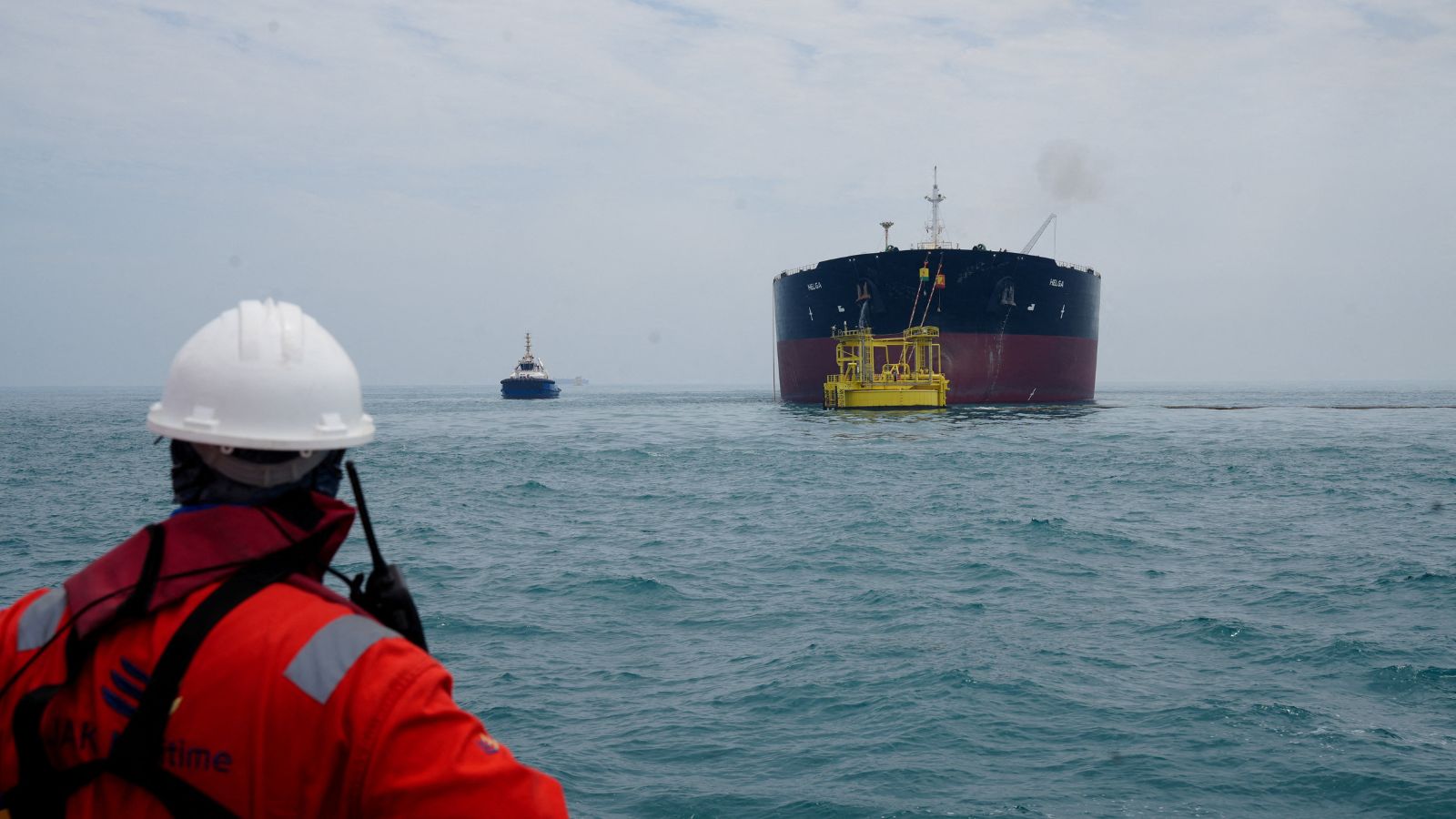
In the three weeks following the US‑Iran peace MoU, vessels from India and China accounted for roughly 40% of all applications to cross the Strait of Hormuz. The data highlights both countries' heavy reliance on West‑Asian energy imports and the impact of renewed regional tensions on maritime traffic.
Key Takeaways
- India and China submitted the highest number of transit applications for the Strait of Hormuz
- Together they represent about 40% of all requests during the reporting period
- Renewed regional tensions have caused a sharp decline in overall vessel movements
The Strait of Hormuz, a chokepoint through which nearly one‑fifth of the world’s crude oil and a sizable share of LNG pass, came under intense scrutiny after the United States and Iran signed a peace Memorandum of Understanding (MoU) in late June 2026. Iran’s Persian Gulf Strait Authority (PGSA) recorded more than 200 non‑Iranian vessels seeking passage permits and insurance coverage within a three‑week window. India and China together accounted for 20% and 21% of the exit‑ward requests, making them the top two originators.
Energy Dependence and Trade Patterns
India imports about 40% of its crude oil, 60% of its LNG, and a staggering 90% of its LPG through the Hormuz route, while China’s energy imports follow a similar West‑Asian trajectory. This reliance explains why shipping firms overwhelmingly opted for the PGSA‑designated lanes, even as the U.S. Navy encouraged vessels to hug Omani waters as an alternate corridor.
Regional Tension and Traffic Decline
Despite the MoU, hostilities resurfaced within weeks, prompting a noticeable drop in maritime traffic. Vessel‑tracking firm Kpler reported only 14 crossings on 12 July, down from 24 the previous day, while S&P Global noted the lowest transit levels since mid‑June. PGSA, however, approved 79% of the applications it received, with an average processing time of 50 hours.
Future Outlook and Policy Implications
If regional stability remains elusive, India and China may increasingly rely on alternative routes such as the Omani coastline, potentially diminishing Hormuz’s strategic relevance and adding volatility to global oil markets. Iran has also hinted at introducing a future service fee for transits, which could raise shipping costs further.
Overall, the data underscores that India‑China energy security is tightly linked to the safe operation of the Strait of Hormuz, compelling both nations to bolster diplomatic engagement and maritime risk‑mitigation strategies.