A Visakhapatnam consumer court has rejected an insurer's video-based forensic report, ordering LG and Bajaj Allianz to compensate a customer for a faulty television.
Key Takeaways
- Visakhapatnam Consumer Court ruled against LG Electronics and Bajaj Allianz.
- The insurer's claim denial was based on a video report rather than physical inspection.
- The court ordered a total payout of ₹2.86 lakh, including refund, interest, and compensation.
- The ruling reinforces that 'Deficiency in Service' includes unsubstantiated technical denials.
In a landmark judgment for consumer rights, the Visakhapatnam District Consumer Disputes Redressal Commission has directed LG Electronics India Pvt Ltd and Bajaj Allianz General Insurance Co Ltd to pay ₹2.86 lakh to a consumer. The ruling comes after the companies unjustly rejected a claim for a damaged television based on a flawed inspection process.
The Dispute: Warranty vs. Physical Damage
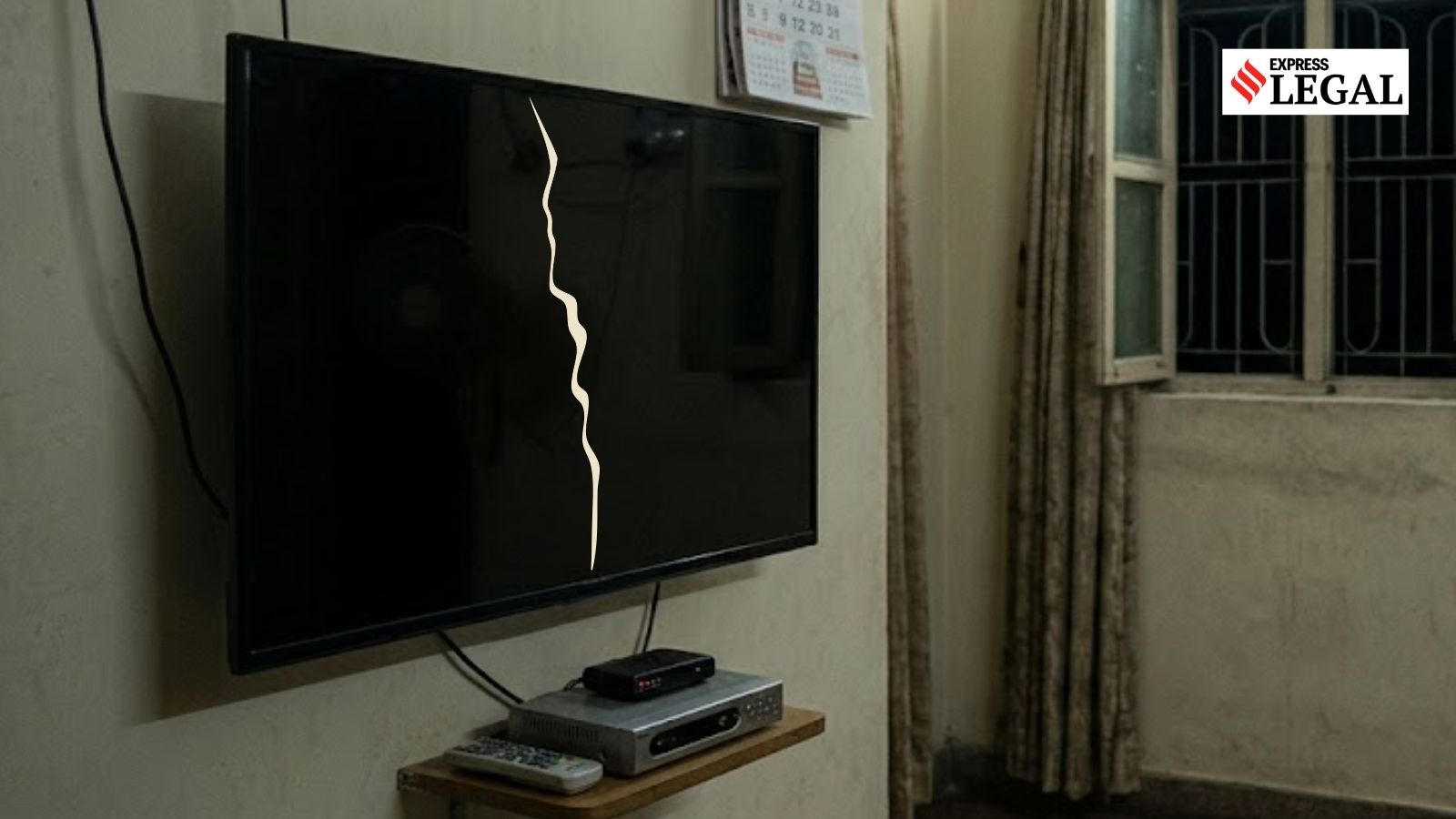
The complainant had purchased a high-end television worth ₹1.62 lakh in 2019. To ensure long-term protection, he had also paid ₹18,998 for an extended warranty valid until October 2024. When a vertical line appeared on the screen in September 2024, the consumer filed a claim. However, the insurance provider rejected the claim, alleging that the issue was a result of 'physical damage' rather than a manufacturing defect, thereby placing it outside the scope of the policy.
The Flaw in the Forensic Report
The crux of the legal battle rested on the evidence provided by the insurance company. Bajaj Allianz relied on an 'expert forensic report' to justify their denial. Crucially, this report was prepared by examining a video of the device rather than conducting a physical, hands-on inspection of the television. The bench, comprising President Gudla Tanuja and Member Krishna Murthy, found this approach legally and technically unsound. The court observed that an expert opinion cannot be validated through a video alone without a physical examination of the hardware.
A Victory for Service Accountability
The Commission concluded that the companies' failure to provide acceptable evidence amounted to a 'deficiency in service.' The court noted that the damage occurred while the extended warranty was active, and the companies could not evade liability through inconsistent and unjustified reports. Consequently, the court ordered the companies to refund the original cost of the TV (₹1.62 lakh) and the warranty premium (₹18,998) with 7% interest, alongside ₹1 lakh in compensation for mental agony and ₹5,000 for litigation costs.
Implications for Consumers
This case serves as a vital precedent for the electronics and insurance sectors. It highlights that companies cannot hide behind technical jargon or superficial digital inspections to deny legitimate claims. For consumers facing similar grievances, the court's decision underscores the importance of pursuing legal recourse through the National Consumer Helpline (1915).