The Indian government has released the CAFE-III draft, proposing stricter emission norms from 2027 with significant perks for ethanol and biofuel-powered cars. Stakeholders have until August 6 to submit their feedback.
Key Takeaways
- CAFE-III norms are proposed to take effect from April 1, 2027.
- Special recognition and emission reductions for ethanol and biofuel users via Carbon Neutrality Factors (CNFs).
- Fuel efficiency targets will tighten from 3.996 L/100km (2027-28) to 3.327 L/100km (2031-32).
- Super credits proposed for BEVs, PHEVs, and Flex-Fuel Vehicles to encourage clean tech.
NEW DELHI: In a decisive move to steer the automotive sector toward a greener future, the Central Government has floated the draft for Corporate Average Fuel Efficiency (CAFE)-III norms. Aimed at tightening carbon emission and fuel efficiency standards for passenger vehicles starting April 1, 2027, the draft marks a paradigm shift by integrating renewable fuel recognition into regulatory compliance.
A Strategic Shift Toward Biofuels
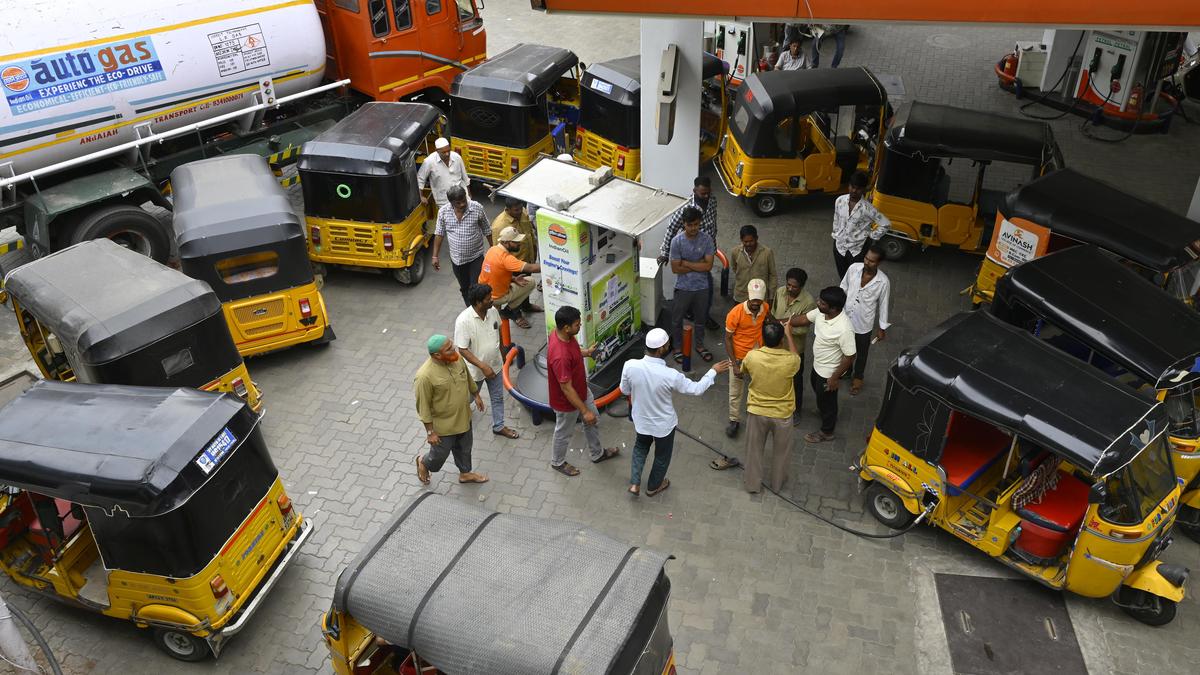
A groundbreaking element of the CAFE-III draft is the introduction of Carbon Neutrality Factors (CNFs). Recognizing the lower lifecycle carbon footprint of renewable energy sources, the government proposes allowing manufacturers to claim lower tailpipe emissions if their vehicles utilize ethanol, compressed biogas (CBG), or other biofuels. For instance, an eight-percentage-point reduction in declared CO2 emissions is proposed based on current ethanol blending levels, effectively rewarding manufacturers who pivot toward sustainable fuels.
Tightening the Screws on Emissions
The regulatory roadmap sets ambitious milestones for the coming decade. Under the proposed framework, the target fuel consumption is slated to drop progressively from 3.996 litres per 100 km in the 2027-28 period to 3.327 litres per 100 km by 2031-32. To ensure a smoother transition, compliance will be assessed over two distinct blocks—an initial three-year period followed by a two-year block—rather than on a strictly annual basis.
Industry Divide and Technological Incentives
The announcement has sent ripples through the automobile industry, creating a clear divide. While manufacturers of smaller, more efficient vehicles welcome the move, producers of larger, high-consumption vehicles have raised concerns regarding the feasibility of these targets. However, the government is cushioning the blow with 'Super Credits' for advanced technologies, including Battery Electric Vehicles (BEVs), Plug-in Hybrids (PHEVs), and Flex-Fuel Vehicles (FFVs). Additionally, manufacturers adopting cutting-edge fuel-saving technologies can claim compliance benefits of up to 9 gCO₂/km.
Industry stakeholders have been granted until August 6 to submit their formal responses to this draft, a period that will likely see intense lobbying from various automotive segments.