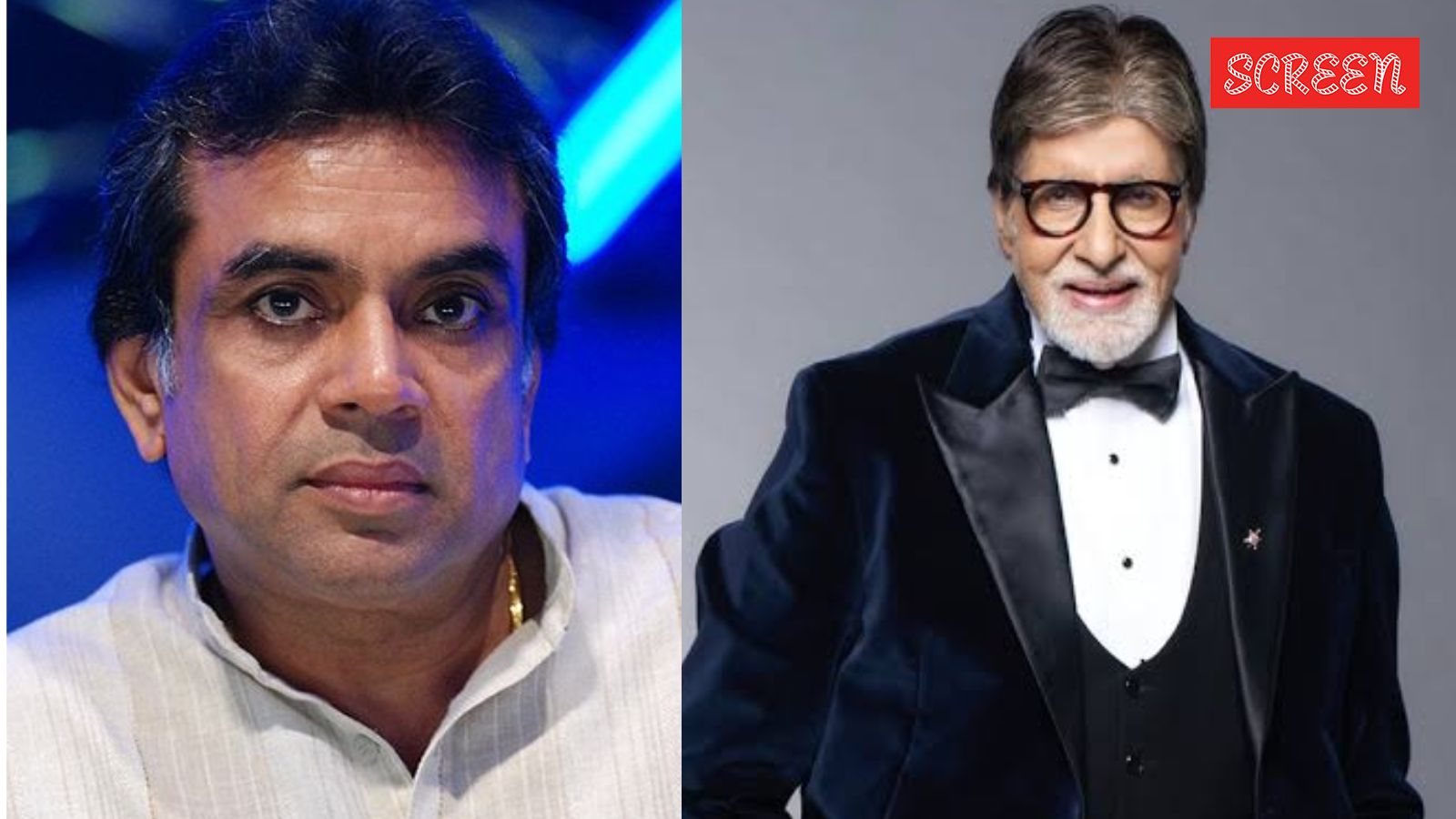
Actor Paresh Rawal sheds light on the political victimization faced by Amitabh Bachchan and reveals the hidden truth behind his own sudden exit from the film '102 Not Out'.
Key Takeaways
- Paresh Rawal asserts that Amitabh Bachchan has faced significant political persecution in the past.
- Rawal clarifies that Bachchan's preference for peace is often mistaken for weakness.
- The actor revealed he was a 'victim' when he was unexpectedly replaced in the film '102 Not Out'.
- Rawal debunked myths regarding his political stint affecting his acting career.
Renowned actor Paresh Rawal has stirred the industry with profound insights into the life of megastar Amitabh Bachchan. In a candid discussion, Rawal addressed the underlying reasons behind Bachchan's recent cryptic social media activity, suggesting that the veteran actor's silence is a shield against a history of political harassment and systemic toxicity.
The Weight of Political Persecution
Reflecting on Bachchan's journey, Rawal pointed towards the turbulent period involving the VP Singh era and the subsequent political fallout. He noted that power, when turned against an individual, can be devastating. "He has seen how people tore him apart," Rawal remarked, emphasizing that Bachchan chooses to fold his hands and end arguments rather than engaging in toxic battles. According to Rawal, what the public perceives as a lack of aggression is actually a calculated pursuit of peace and dignity.
The '102 Not Out' Controversy
Shifting the lens to his own career, Paresh Rawal shared a poignant memory regarding the film '102 Not Out'. Despite being associated with the project for nearly three years, Rawal was abruptly removed and replaced by the late Rishi Kapoor. While rumors suggested his parliamentary duties in the BJP were the cause, Rawal vehemently denied this.
"I was the victim in that situation," Rawal stated, revealing that a specific individual had refused to work with him. While he chose not to name the person to maintain professional decorum and respect his friendship with director Umesh Shukla, he confirmed that he had confronted the individual privately. He also clarified that his reduced film frequency was a matter of personal choice and script merit, rather than political commitments.
Historical Context: The Bofors Shadow
The discussion touched upon the historical complexities of Bachchan's life, specifically his entry into politics in 1984 and the subsequent allegations during the Bofors scandal. Although no charges were ever proven, the intense media scrutiny and political maneuvering of that era left an indelible mark on the superstar's legacy, a sentiment echoed by Rawal's observations on the cost of being in the spotlight during times of political upheaval.