The Raipur Consumer Commission ruled in favor of a vehicle owner who claimed repeated engine trouble after using E20 petrol, setting a precedent for liability and compensation in India's ethanol‑blending rollout.
Key Takeaways
- The Raipur Consumer Commission ordered the manufacturer to reimburse repair costs for damage caused by E20 fuel.
- E20 has become the predominant fuel at most petrol stations, limiting consumer choice.
- The ruling could shape future consumer‑rights litigation and fuel‑compatibility policies.
In what is being hailed as India's first known consumer‑court decision on the E20 ethanol‑petrol blend, the Raipur District Consumer Disputes Redressal Commission ruled in favor of a vehicle owner who alleged that E20 petrol caused significant engine damage.
Background
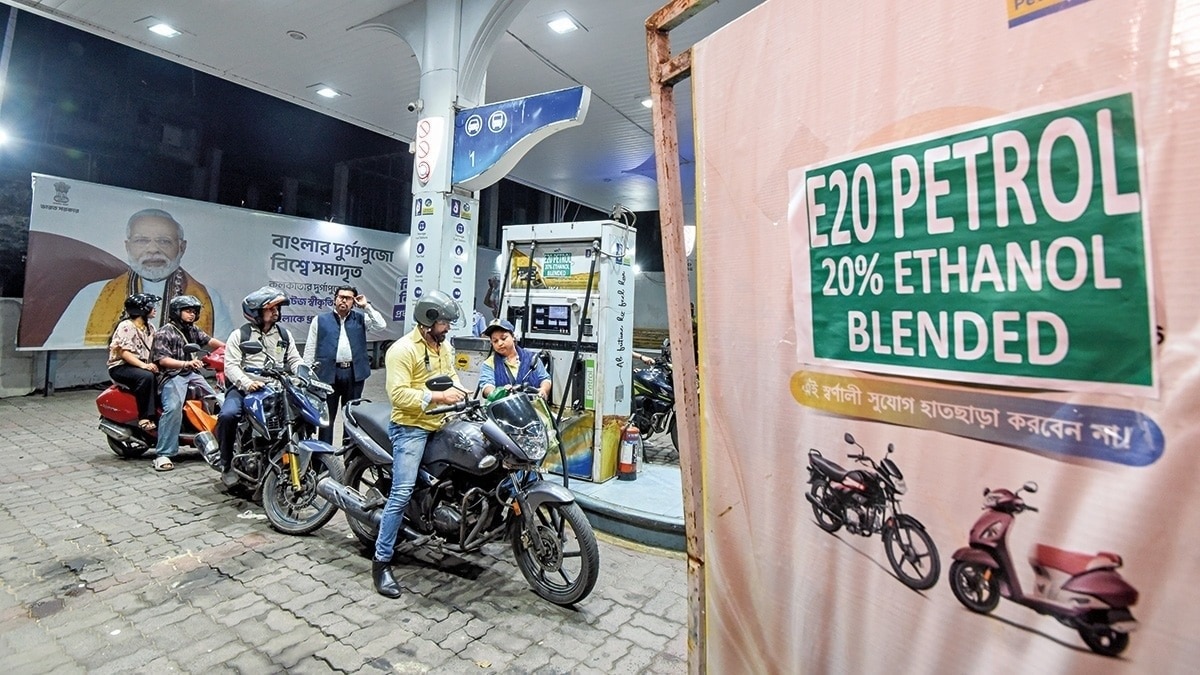
Since the 2023‑24 fiscal year, the Indian government has accelerated the rollout of 20 % ethanol‑blended petrol (E20) to reduce import dependence and curb emissions. The policy has made E20 the default fuel at most retail outlets, leaving many motorists with little practical alternative to conventional gasoline.
Core Issues of the Case
The complainant reported that after refuelling with E20, his vehicle repeatedly suffered from poor performance, mis‑firing, and a gradual loss of efficiency. Despite multiple repairs at authorized workshops, the same defects re‑appeared, leading to substantial out‑of‑pocket expenses. The vehicle manufacturer and dealer counter‑argued that the model was fully compatible with E20 and that the faults stemmed from normal wear, maintenance lapses, or other unrelated factors.
Commission’s Reasoning
The commission rejected the manufacturer’s defence, noting that repeated repair attempts without resolution strengthened the consumer’s claim that the issue was not adequately addressed. It also highlighted that E20 petrol has become the commonly available fuel at petrol pumps, meaning motorists cannot reasonably be expected to avoid it when no other options exist.
Order and Implications
Consequently, the commission directed the manufacturer and dealer to reimburse the vehicle owner for all repair costs and awarded additional compensation for mental anguish and litigation expenses. A compliance timeline was set, with interest payable on delayed payments. The judgment is likely to influence future disputes as India expands its ethanol‑blending programme, raising critical questions about consumer protection, manufacturer liability, and fuel compatibility.